2026 Top Cold Rolled Sheet Trends for Global Buyers
As the demand for Cold Rolled Sheet continues to rise, industry experts are observing key trends that will shape the market in 2026. These sheets are celebrated for their smooth surface and dimensional accuracy. They are essential in various applications, from automotive manufacturing to appliance production. Understanding the evolving landscape of Cold Rolled Sheet is crucial for global buyers.
In recent years, advancements in technology have led to improved manufacturing processes. This enhances the quality and reduces production costs. Buyers are now faced with a variety of options, from different thicknesses to surface finishes. However, navigating this array can be challenging. Emerging markets are increasing competition, impacting prices and availability.
Buyers should remain proactive and informed. An awareness of sustainable practices is also becoming important. Companies that adopt eco-friendly methods in their Cold Rolled Sheet production can gain a competitive edge. The landscape is evolving, and reflecting on these changes is essential for making informed decisions. With careful attention, buyers can capitalize on the trends while addressing their own challenges.
Emerging Trends in Cold Rolled Sheet Manufacturing for 2026
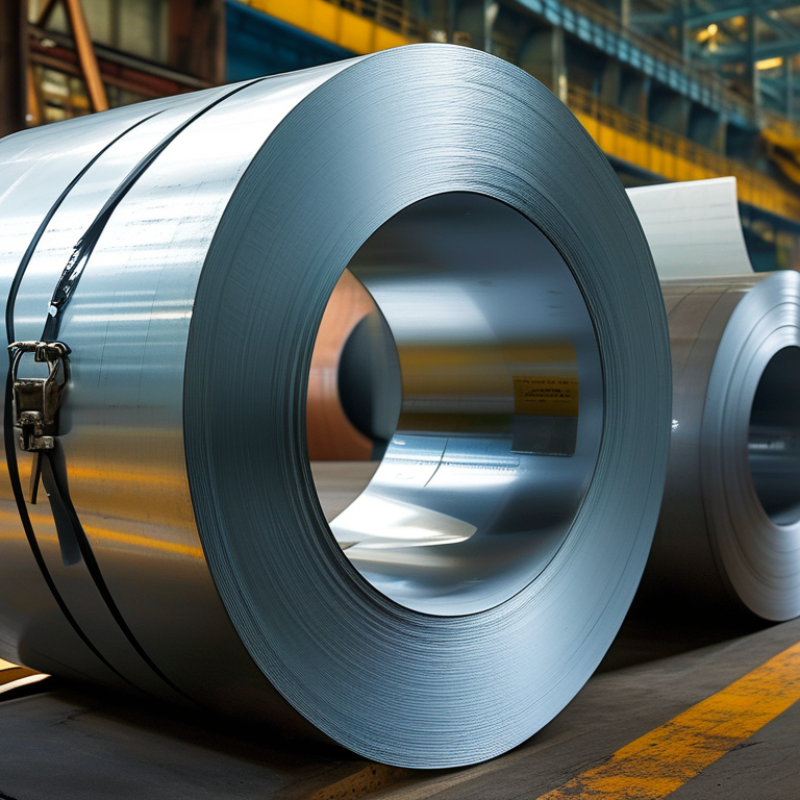
The cold rolled sheet industry is evolving rapidly as manufacturers seek innovative techniques. One emerging trend is the integration of automation in production. Automated processes can enhance efficiency and reduce human error. With this shift, there is a growing need for skilled technicians who understand these technologies.
Sustainability is another key focus. Manufacturers are exploring eco-friendly materials and waste reduction strategies. Some are adopting closed-loop systems to recycle scrap. However, the transition to sustainable practices can pose challenges. Not all companies have the resources to implement these changes effectively.
Market demands continue to shift, pushing for lighter and stronger materials. This requires ongoing research and development. Companies may struggle to keep up with these advancements.
Balancing innovation with cost-effectiveness is crucial for survival. The future of cold rolled sheets depends on adaptability and foresight.
Key Global Markets Influencing Cold Rolled Sheet Demand in 2026
As global markets adapt to shifting demands, the cold rolled sheet industry is poised for significant changes by 2026. Key markets such as North America, Europe, and Asia are expected to drive demand. According to industry reports, North America's cold rolled steel consumption is projected to increase by 5% annually. This growth is largely fueled by the automotive and construction sectors, both of which are critical consumers of cold rolled sheets.
In Europe, sustainability initiatives are reshaping market dynamics. A recent study highlights that over 70% of European manufacturers are prioritizing eco-friendly materials. This trend will likely influence cold rolled sheet production methodologies. Additionally, Asia-Pacific regions are experiencing rapid urbanization, contributing to an expected 4% increase in demand for cold rolled products. However, challenges remain, such as fluctuating raw material prices that could impact market stability.
Furthermore, it's essential to recognize overlapping supply chain issues. Disruptions from global events can lead to inconsistent availability. This reality may compel buyers to explore alternative suppliers or materials. Understanding these complexities will be vital for stakeholders aiming to navigate the evolving landscape of the cold rolled sheet market in 2026. The interplay of demand drivers and market challenges will require nuanced strategies.
2026 Top Cold Rolled Sheet Trends for Global Buyers
| Region |
Market Demand (Million Metric Tons) |
Key Industries Driving Demand |
Projected Growth Rate (%) |
Main Challenges |
| North America |
4.5 |
Automotive, Construction |
3.2 |
Trade Tariffs, Supply Chain Issues |
| Europe |
6.0 |
Manufacturing, Home Appliances |
2.5 |
Environmental Regulations |
| Asia-Pacific |
15.0 |
Electronics, Construction |
5.1 |
Raw Material Availability |
| Latin America |
2.5 |
Construction, Energy |
4.0 |
Political Instability |
| Middle East & Africa |
3.0 |
Oil & Gas, Construction |
3.8 |
Infrastructure Development |
Innovative Technologies Transforming Cold Rolled Sheet Production
Innovative technologies are reshaping the production of cold rolled sheets. Advanced automation systems are streamlining manufacturing processes. Many companies are now using AI for real-time monitoring and quality control. This shift allows for quicker adjustments and reduces waste.
Another significant trend is the use of eco-friendly materials. As the demand for sustainable practices grows, producers are exploring renewable options. However, the transition presents challenges. Not all materials can meet performance standards while remaining green. Balancing sustainability with quality remains a puzzle for many manufacturers.
Digital twin technology is also making waves in the industry. This virtual representation of physical processes helps in simulating various scenarios. By predicting outcomes, companies can enhance productivity. Still, this technology requires significant investment and expertise. Not every manufacturer is ready to embrace such changes. As the industry evolves, the need for skilled professionals will be critical for success.
Sustainable Practices in the Cold Rolled Sheet Industry by 2026
The cold rolled sheet industry is shifting towards sustainable practices by 2026. Companies are re-evaluating their production methods. Energy consumption is a key focus area. Efficient technologies are necessary to reduce carbon footprints. Many businesses are exploring renewable energy sources to power their operations.
The use of recycled materials is gaining traction. This helps to minimize waste and support circular economy principles. However, challenges remain. Sourcing high-quality recycled materials can be difficult. Companies need to invest in research to improve recycling technologies. This is essential for creating viable products.
Waste management strategies are evolving too. Firms are learning to minimize scrap and optimize their processes. Innovative solutions are being developed, but implementation is not widespread. Some organizations struggle with adopting these changes due to cost concerns. Balancing sustainability with profitability requires careful planning and commitment.
Market Projections and Growth Opportunities for Cold Rolled Sheets
The global cold rolled sheet market is set for significant growth by 2026. According to a recent analysis by Research and Markets, the market is projected to expand at a CAGR of 4.5% during the forecast period. This growth is primarily driven by rising demand from the automotive and construction sectors. Notably, cold rolled sheets are favored for their surface finish and tolerances, making them essential in manufacturing.
In terms of regional advancements, Asia-Pacific is anticipated to dominate the market. The region's booming industrial sector plays a critical role in this trend. However, challenges persist. Sustainability concerns and fluctuating raw material prices may hinder growth. Reports from the World Steel Association indicate that production methods are evolving, pushing manufacturers to adopt more eco-friendly practices.
Customers now seek higher-quality materials at competitive prices. As the industry adapts, innovation in cold rolling technology remains vital. Companies need to invest in R&D to address these changing demands. The focus must shift not just to production volume but also to enhancing the overall quality of cold rolled sheets.