As 2026 approaches, Galvanized Plate remains essential for construction, transportation, appliances, and industrial fabrication. Its zinc coating helps protect steel from moisture, oxygen, and early corrosion. However, “top” does not mean one universal winner. Performance depends on coating method, thickness, forming requirements, surface finish, and exposure conditions.
Hot-dip galvanized plate is widely selected for structural parts, roofing, frames, and outdoor equipment. It offers a relatively thick, durable zinc layer and practical production costs. Electro-galvanized plate provides a smoother, more controlled surface. It suits automotive panels, appliances, and components requiring accurate painting. Galvannealed plate combines zinc protection with an iron-zinc surface, improving paint adhesion and spot-welding behavior. Some buyers also compare Galvalume products, although they are aluminum-zinc coated rather than traditionally galvanized.
The details matter.
During inspection, a plate may show spangles, edge variation, or light white rust after humid storage. These signs require evaluation, not immediate rejection. Coating mass, steel grade, bend performance, weldability, and certificate data should be checked against the project specification. Recognized standards, manufacturer test reports, and independent laboratory results can strengthen purchasing decisions. Yet laboratory salt-spray results do not perfectly predict every outdoor environment. That limitation deserves attention.
This guide compares the leading Galvanized Plate types expected to attract attention in 2026. It considers practical applications, advantages, weaknesses, surface quality, and long-term value. The ranking may change by region or industry. That is an important imperfection. Reliable selection begins with the actual service environment, not a fashionable product label.
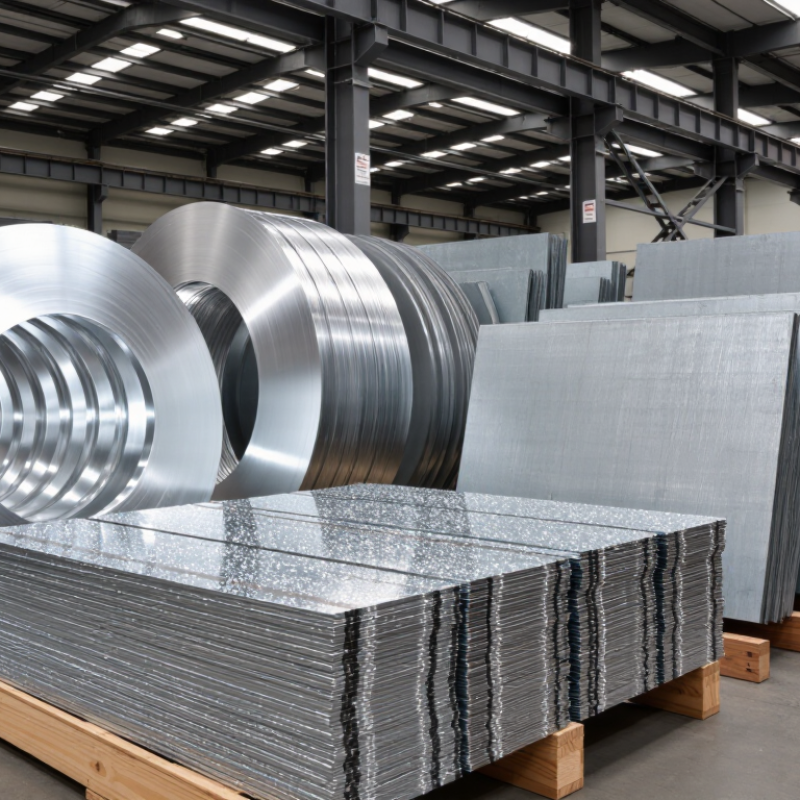
Galvanized plate is steel protected by a zinc coating. The zinc forms a barrier against moisture and corrosion. It also offers sacrificial protection when the surface is scratched. A typical plate contains a steel core, an iron-zinc bonding layer, and an outer zinc layer. Thickness and coating weight affect service life.
Hot-dip galvanized plate remains widely used for construction, ducts, equipment housings, and outdoor frames. The steel passes through molten zinc, creating a strongly bonded coating.
Electro-galvanized plate uses an electrical process and provides a smoother, more uniform surface. It suits interior panels, precision parts, and applications needing clean forming.
Galvannealed plate receives heat treatment after galvanizing. Its iron-rich surface improves paint adhesion, although it may look less bright.
Tips: Check coating thickness, plate grade, edge condition, and surface defects before fabrication. Look for bare spots, heavy zinc buildup, and uneven edges. Match the coating to humidity, salt exposure, and forming pressure. A thicker coating is not always the best choice. It can complicate welding or bending. In practical inspections, surface appearance helps, but it cannot prove coating performance. Laboratory testing remains more reliable. I have found that storage matters too; trapped water between stacked plates can create early white rust. Proper spacing and ventilation are easy to overlook.
Hot-dip galvanized plate is carbon or low-alloy steel coated with zinc after immersion in molten zinc. The process creates a metallurgical bond, not merely a painted surface. Zinc protects steel in two ways: it forms a barrier and sacrifices itself around small scratches. A dull spangle, rough edge, or minor color variation does not automatically indicate failure. Coating mass, surface preparation, and drainage design matter more.
Common grades include commercial quality, structural quality, and forming or deep-drawing grades. Commercial quality suits general panels and guards where shaping demands are modest. Structural grades provide specified yield strength for frames, platforms, and exterior supports. Deep-drawing grades are softer and more formable, making them useful for housings, ducts, and pressed components. HSLA options can reduce weight, but higher strength may complicate bending and welding. The grade must match the design, not just the thickness.
Typical applications include roofing sheets, wall panels, cable trays, agricultural equipment, road components, and HVAC enclosures. In wet or salty locations, designers should check coating designation, cut-edge exposure, fastener compatibility, and drainage. Zinc resists ordinary atmospheric corrosion, yet standing water and trapped debris shorten service life. Welding also removes local protection and requires controlled repair. A practical site check should record coating condition, dimensions, flatness, and visible defects. No grade is perfect. Field conditions vary, and datasheets cannot replace inspection.
| Galvanized Plate Type | Common Standards and Grades | Typical Zinc Coating Designation | Key Properties | Typical Applications | Main Selection Considerations |
|---|---|---|---|---|---|
| Commercial-Quality Hot-Dip Galvanized Plate | ASTM A653 CS Type A or Type B; EN 10346 DX51D; JIS G3302 SGCC | ASTM coating designations such as G30–G90; EN coating classes such as Z100–Z275; exact mass depends on the specification and surface area | Good corrosion resistance, formability, weldability, and general-purpose performance | Roofing panels, wall cladding, ductwork, HVAC components, light-gauge fabrication, and general sheet-metal work | Choose the grade according to forming severity, required coating mass, surface appearance, and indoor or outdoor exposure |
| Deep-Drawing Hot-Dip Galvanized Plate | ASTM A653 DDS or EDDS; EN 10346 DX52D or DX53D; comparable deep-drawing grades under regional standards | Commonly supplied with coating classes from approximately Z100 to Z275, subject to the applicable standard | Higher ductility and improved resistance to cracking during stamping and complex forming | Automotive inner panels, appliance housings, pressed covers, deep-drawn containers, and formed brackets | Confirm minimum elongation, yield strength, bend radius, lubrication, and coating compatibility with the forming process |
| Structural-Grade Hot-Dip Galvanized Plate | ASTM A653 SS Grade 33–80; EN 10346 S250GD, S280GD, S320GD, S350GD, S550GD | Frequently specified as G60–G90 or Z275; higher or lower coating classes may be available under the governing standard | Higher yield strength, reliable load-bearing capacity, and atmospheric corrosion protection | Structural framing, purlins, roof and wall systems, cable trays, support members, and cold-formed sections | Balance yield strength, elongation, thickness, coating mass, edge condition, and structural design requirements |
| High-Strength Low-Alloy Galvanized Plate | ASTM A653 HSLA grades; EN 10346 high-strength structural grades, depending on the required mechanical properties | Often specified with Z275 or an equivalent coating designation; the approved coating class must be stated on the order | Higher strength-to-weight ratio than conventional commercial-quality grades, with reduced material weight for some designs | Automotive reinforcements, transportation equipment, agricultural machinery, structural components, and lightweight assemblies | Check formability, hole expansion, weld parameters, fatigue requirements, and minimum guaranteed mechanical properties |
| Galfan-Coated Steel Plate | Typically covered by specifications for zinc-aluminum alloy-coated steel; exact designation varies by market | Common alloy coating contains approximately 95% zinc and 5% aluminum; coating mass is specified by the applicable product standard | Improved corrosion resistance and edge protection compared with conventional pure-zinc coatings in many environments | Roofing and siding, agricultural buildings, automotive parts, ventilation systems, and outdoor fabricated products | Verify forming limits, repair procedures, coating designation, and suitability for the expected temperature and corrosive environment |
| Galvannealed Plate | ASTM A653 galvannealed coatings; EN 10346 ZF coating designation | Iron-zinc alloy coating produced by heat treatment after hot-dip galvanizing; coating mass is normally specified by the standard | Excellent paint adhesion, consistent weldability, and a matte gray surface; generally less ductile than conventional galvanized coating during severe forming | Automotive body panels, painted enclosures, electrical cabinets, appliance components, and fabricated parts requiring painting | Select when paint performance and spot-welding behavior are more important than bright metallic appearance or maximum coating ductility |
| Galvanized Plate with Spangle-Controlled Surface | ASTM A653 regular spangle, minimized spangle, or spangle-free surface options; equivalent options may be available under EN and JIS standards | Coating mass is independent of visual spangle and is selected separately, such as G60, G90, Z180, or Z275 where permitted | Surface appearance can range from visible crystalline spangle to a more uniform, subdued finish | Architectural panels, exposed roofing, appliances, interior panels, and products requiring controlled visual consistency | Specify surface class, roughness, oiling or passivation, flatness, and whether the plate will be painted or left exposed |
| Heavy-Coating Hot-Dip Galvanized Plate | ASTM A653 products with higher coating designations; EN 10346 products with higher Z classes where available | Often selected at or above approximately G90 or Z275, subject to product thickness and standard limitations | Greater zinc thickness provides increased barrier and sacrificial protection in many atmospheric environments | Outdoor structural parts, utility equipment, fencing, agricultural structures, walkways, and industrial fabrication | Consider coating availability, drainage and venting of fabricated parts, edge coverage, weld repair, and the actual corrosivity category |
Electro-galvanized plate is made by depositing zinc onto steel through an electric current. This process creates a thin, consistent coating. Unlike hot-dip galvanized plate, it usually has a smoother and cleaner surface. That difference matters during painting, stamping, and visible assembly work.
From practical production checks, the plate shows strong dimensional control and good forming performance. Its smooth finish helps paint spread evenly, especially on doors, panels, and appliance housings. It also supports clean appearance requirements in indoor equipment. However, the thinner zinc layer offers less protection in harsh outdoor environments. Moisture, salt, and damaged edges can expose the steel quickly. It is not flawless.
Common uses include automotive interior parts, electrical cabinets, office equipment, lighting components, and precision fabricated panels. Manufacturers often choose it when surface quality matters more than maximum corrosion resistance. Before approval, inspectors should check coating weight, adhesion, bend behavior, and visible defects. A cross-cut test can reveal weak paint bonding. Edges deserve extra attention. Rust often starts there.
Electro-galvanized plate can also support welding and further forming, but process settings still require control. Excessive heat may damage local zinc protection. Ventilation and suitable protective procedures remain important during fabrication. In my view, selecting this plate only by appearance is a risky shortcut. Service conditions, coating thickness, handling damage, and maintenance plans should influence the decision. Even experienced teams can underestimate edge corrosion.
Galvannealed plate remains a leading 2026 choice for automotive parts, appliances, and painted panels. Its zinc-iron coating forms after a controlled annealing process. The surface looks dull gray, not bright. That texture improves paint adhesion and spot-welding consistency. It also resists peeling during forming better than ordinary galvanized plate. However, excessive forming can expose the steel substrate. Design details still matter.
Alloy-coated plate covers several products, including zinc-aluminum and zinc-aluminum-magnesium coatings. These alloys can provide strong barrier protection and improved edge corrosion resistance. They often suit roofing, cladding, agricultural buildings, and outdoor enclosures. Selection depends on moisture, salt exposure, temperature, forming severity, and expected service life. A coating that performs well on a roof may not suit a tightly drawn component. That assumption deserves checking.
Tips: Compare coating mass, substrate grade, surface finish, and certified test data. Examine cut edges and drilled holes, not only flat surfaces. Ask suppliers about forming limits, welding settings, and paint compatibility. Small trials reveal problems early. Field experience helps, but it is not perfect. Inspect samples after forming and after exposure testing. A lower purchase price can become expensive when repainting, distortion, or premature edge rust appears.
What Are the 2026 Top Types of Galvanized Plate?
How to Choose the Top Galvanized Plate Type for 2026 Projects
For 2026 projects, hot-dip galvanized plate remains a practical choice for outdoor structures, equipment frames, and transport components. Its zinc coating offers reliable protection against moisture and abrasion. Electro-galvanized plate provides a smoother surface and tighter thickness control. It suits indoor panels, light forming, and parts needing a clean finish. High-strength galvanized plate can reduce structural weight, but it demands careful bending calculations. Pre-painted galvanized plate adds color and another protective layer, although damaged edges still need attention.
Choose the plate by exposure, forming, load, and appearance. Near coastlines, specify a suitable coating mass and inspect cut edges regularly. For indoor cabinets, a lighter coating may control costs without sacrificing service life. Check the steel grade before ordering. A strong coating cannot correct an unsuitable substrate. I have seen projects over-specify zinc while ignoring drainage, creating trapped water and early corrosion. That lesson is easy to overlook.
Tips: Request coating mass, base-metal grade, thickness tolerance, and test certificates. Compare actual project conditions, not only catalog prices. Leave allowance for bending, welding, and edge treatment. A thicker coating is not always the wiser choice. Review the specification with a qualified engineer when loads or corrosive exposure are uncertain.