Top 10 Benefits of Using Galvanized Coil in Manufacturing Applications?
The use of Galvanized Coil in manufacturing is on the rise. According to a report by the International Zinc Association, the demand for galvanized steel is expected to grow by 5% annually over the next five years. This trend highlights the significance of Galvanized Coil in various industries.
Galvanized Coil offers numerous advantages that improve product longevity and performance. Its corrosion resistance is a critical feature. Studies show it can last up to three times longer than untreated steel. This durability leads to reduced maintenance costs, which is essential for manufacturers aiming for long-term profitability.
However, challenges remain in sourcing high-quality Galvanized Coil. Some manufacturers still compromise on quality, leading to inconsistent results. This inconsistency can impact overall product performance and customer satisfaction. A reflection on sourcing practices proves important as the industry evolves. Embracing best practices in selecting Galvanized Coil can optimize benefits and drive innovation in manufacturing applications.
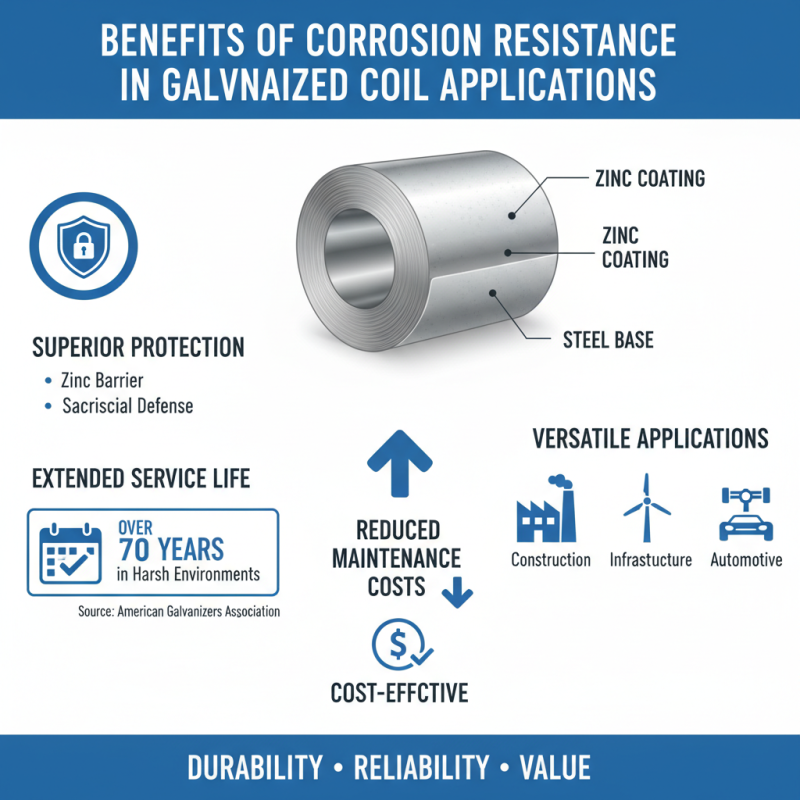
Benefits of Corrosion Resistance in Galvanized Coil Applications
Galvanized coil is essential in manufacturing due to its superb corrosion resistance. The zinc coating acts as a barrier, protecting the underlying steel. According to a report by the American Galvanizers Association, galvanized products can last over 70 years in harsh environments. This durability significantly reduces maintenance costs, making it a favored choice across various sectors.
Corrosion resistance is vital in many applications. In the construction industry, for instance, galvanized steel is commonly used for roofing and siding. The protective layer prevents rusting and degradation. A study by the National Association of Corrosion Engineers indicates that corrosion costs the U.S. economy approximately $276 billion annually. Using galvanized coils mitigates this issue effectively.
The performance of galvanized products can vary. Factors like environmental conditions and zinc thickness play a role in the longevity of the coating. Manufacturers must consider these variables carefully. Misjudgments can lead to premature failures. Despite the advantages, it’s essential to understand that,” corrosion resistance” isn't absolute; vigilance is required to ensure the integrity of galvanized components.
Cost-Effectiveness of Galvanized Coil: A Manufacturing Perspective
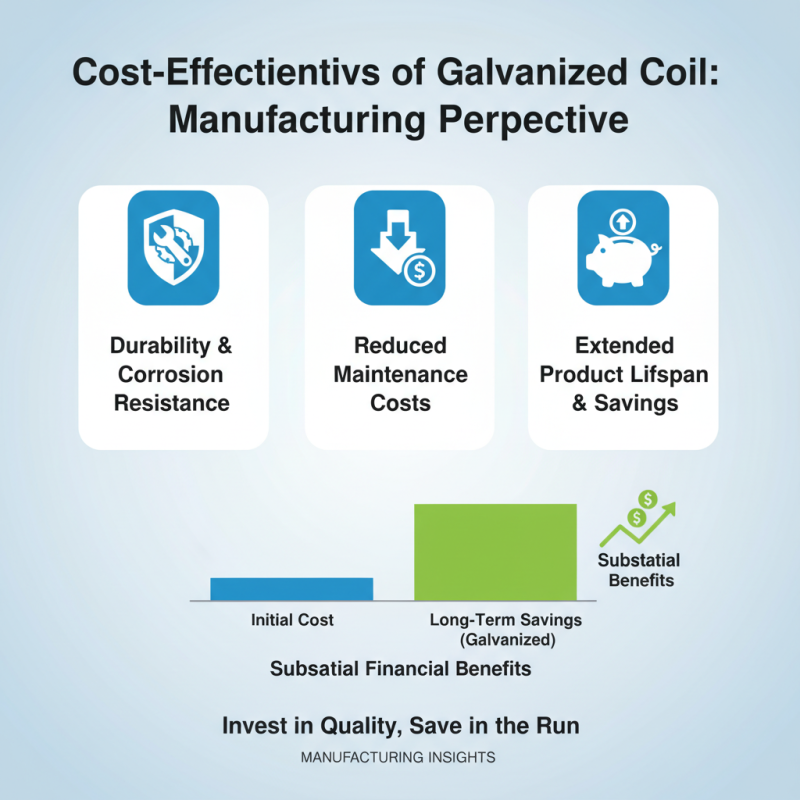
When considering manufacturing materials, galvanized coil stands out for its cost-effectiveness. This unique metal offers excellent durability and resistance to corrosion, which can significantly lower maintenance costs over time. Manufacturers can save on repair expenses and extend the lifespan of their products. A thorough evaluation of long-term savings reveals that investing in galvanized coil can yield substantial financial benefits.
The initial investment in galvanized coil might be higher than other materials. However, companies often overlook hidden costs associated with alternatives. These can include frequent replacements and additional protective coatings. Many manufacturers have discovered that the lower upkeep and enhanced performance of galvanized coil lead to overall budget efficiency. In essence, it's about balancing upfront costs with future savings.
In the bustling world of manufacturing, businesses must remain vigilant about their expenditures. Some may hold onto traditional methods and materials, hesitant to adapt. This reluctance can cost them more in the long run. Adopting galvanized coil can promote a more sustainable and cost-effective manufacturing process. Such a shift requires thoughtful consideration and a willingness to move away from familiar practices.
Impact on Product Longevity and Durability in Industrial Uses
Galvanized coil is a popular choice in manufacturing due to its impressive durability. This material undergoes a coating process that enhances its resistance to corrosion. Products made from galvanized coil can endure harsh environmental conditions. This makes them ideal for outdoor applications where exposure to moisture and chemicals is common.
When properly used, galvanized coil products often last significantly longer than those made from untreated metals. For instance, fences and roofing materials made from galvanized coil can resist rust and wear for decades. This longevity not only reduces maintenance costs but also minimizes the need for replacements.
Tip: Regular inspections can identify early signs of wear on galvanized products. Addressing these issues promptly can extend their lifespan. Additionally, consider the specific environmental factors your products will face. Adapting your choice of galvanized coil to these conditions can further enhance durability. Remember, observing how your products perform over time can yield valuable insights for future projects.
Top 10 Benefits of Using Galvanized Coil in Manufacturing Applications
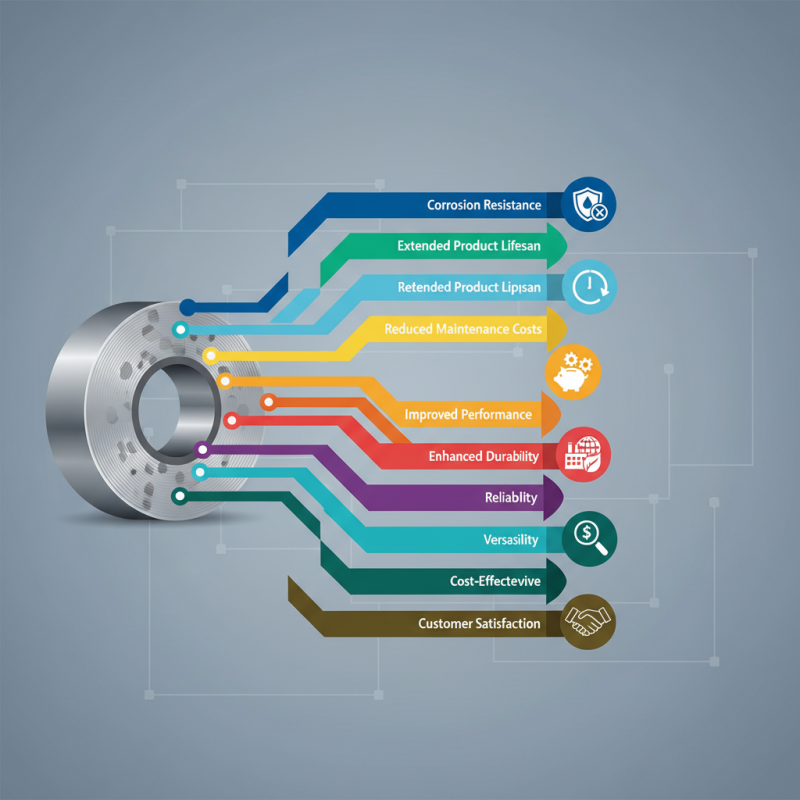
This chart illustrates the top benefits of using galvanized coil in various manufacturing applications, highlighting its impact on product longevity and durability.
Environmental Benefits of Using Galvanized Coil in Production
The environmental benefits of using galvanized coil in manufacturing applications are significant. This material has a reduced carbon footprint compared to alternatives. According to a report from the International Zinc Association, galvanized steel requires less energy to produce, leading to lower greenhouse gas emissions.
Life cycle assessments show that galvanized coils can last longer without rust, meaning less frequent replacements. This durability contributes to reduced waste in landfills. A study published in the Journal of Cleaner Production highlighted that using galvanized steel can lower maintenance costs and decrease resource consumption over time.
Moreover, galvanized coil is recyclable. Up to 90% of it can be reused in other applications at the end of its life. This reduces the demand for raw materials and conserves natural resources, creating a more sustainable production cycle. However, the industry still faces challenges in the recycling processes, which need further innovation to maximize its potential.
Versatility of Galvanized Coil Across Multiple Manufacturing Sectors
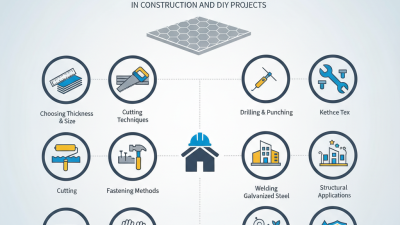
Galvanized coil is a game-changer across various manufacturing sectors. Its protective zinc coating makes it resistant to corrosion, which is crucial for products used outdoors. Manufacturers often appreciate its durability. This durability extends the lifespan of products, reducing the need for frequent replacements. In construction, galvanized coil is used in roofing, gutters, and structural components. The versatility here cannot be overlooked.
In the automotive industry, galvanized coil is favored for making parts and body panels. Its strong resistance to rust enhances vehicle longevity. Additionally, this material finds application in appliances where both aesthetics and functionality are vital. The ability to easily shape and fabricate makes it a favorite. However, there are challenges too. Working with galvanized coil requires knowledge of proper handling techniques to avoid damage during manufacturing processes.
Moreover, industries must be cautious about welding and cutting, as these processes can expose the steel underneath. This could compromise the material's integrity if not done correctly. Despite this, the versatility of galvanized coil continues to make it a preferred choice. Its widespread use across multiple sectors demonstrates its value in manufacturing.