Best Stainless Steel Pipe Types for Your Project Needs?
When planning a project, selecting the right materials is crucial. One popular choice is stainless steel pipe. This type of pipe offers durability and resistance to corrosion, making it ideal for various applications. However, not all stainless steel pipes are created equal.
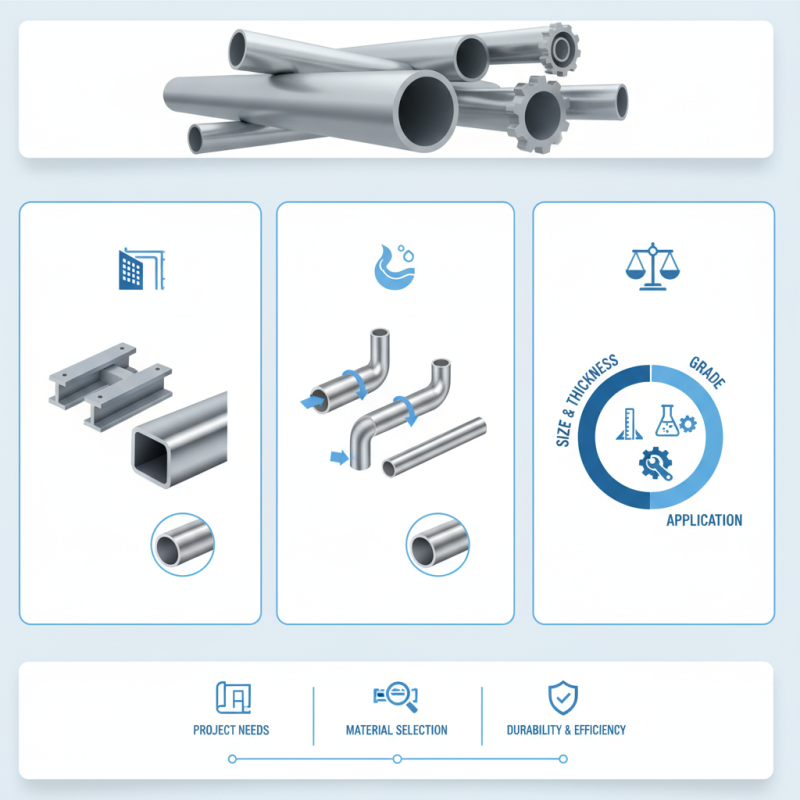
Different projects may require different types of stainless steel pipe. For example, some are better for structural support while others excel in fluid transfer. The size, thickness, and grade of the stainless steel pipe can greatly affect its performance and lifespan. Choosing the wrong type can lead to costly mistakes and inefficiencies.
Understanding these options can be overwhelming. Each project has unique needs that must be met. It’s essential to weigh the pros and cons of each type carefully. Doing so will ensure that you make informed decisions for your specific project.
Understanding Stainless Steel Pipe Grades and Their Properties
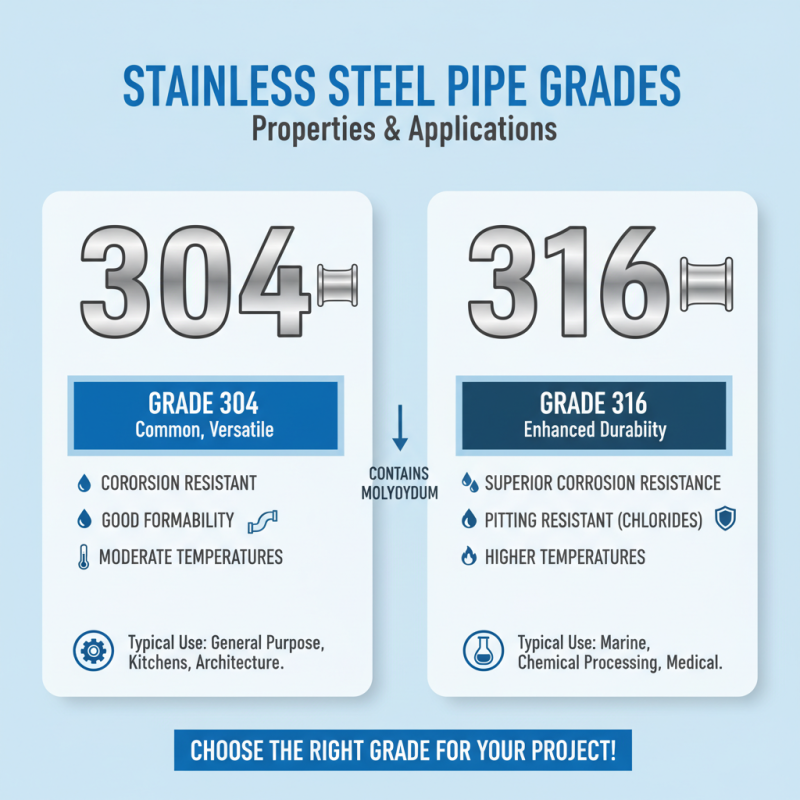
Stainless steel pipes are essential for various projects. Different grades of stainless steel offer unique properties that suit specific needs. Understanding these grades is crucial for selecting the right pipe. For example, 304 stainless steel resists corrosion well but may not withstand high temperatures. In contrast, 316 stainless steel includes molybdenum, providing enhanced resistance to pitting in chloride environments.
The choice of pipe grade can reflect the project's demands. Some projects may not require the highest grade, leading to potential overengineering. This can result in unnecessary costs. It's important to assess whether a lower grade can meet your needs. For instance, a standard grade might suffice in non-corrosive environments, while a project near the ocean demands a more robust option. Consider the environmental factors and service conditions carefully before making a decision.
Common Applications of Different Types of Stainless Steel Pipes
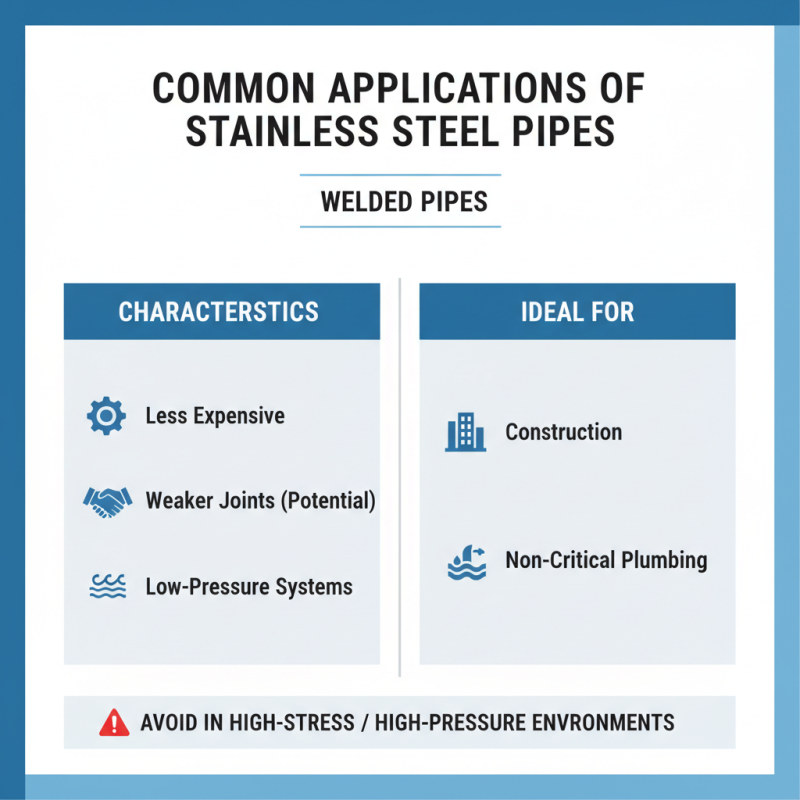
Stainless steel pipes come in various types, each serving specific applications. For instance, welded pipes are common in construction. They are less expensive but may have weaker joints. These pipes are great for low-pressure systems but should be avoided in high-stress environments.
Another type is seamless pipes. They are stronger and more reliable, making them ideal for high-pressure applications. Oil and gas industries often use seamless pipes. However, their manufacturing process is costlier, which may impact budget decisions.
Lastly, there are structural stainless steel pipes. These are used in building frameworks. They offer high durability and corrosion resistance. Yet, improper installation could lead to structural weaknesses. It's crucial to ensure proper techniques are applied during construction to avoid future issues.
Factors to Consider When Choosing Stainless Steel Pipes for Projects
Choosing the right stainless steel pipe for your project requires careful consideration. The application greatly influences the type of pipe you will need. For instance, pipes intended for high-pressure systems must withstand greater stress. Understanding your project’s requirements is essential.
Next, consider the specifications of various stainless steel grades. Different grades offer varying levels of corrosion resistance. For instance, 304 stainless steel is common but may not suit all environments. In contrast, grade 316 provides better resistance to salt and chemicals, which makes it suitable for marine applications. Knowing these details can save you from future issues.
Another vital factor is the thickness of the pipe. Wall thickness impacts durability and flow rates. Thicker pipes are often more robust but may be heavier and more expensive. Balancing cost and functionality is tricky. Inspecting the actual conditions where pipes will be installed is critical. Failing to do so may result in miscalculation and added expenses later on.
Comparative Analysis of Welded vs. Seamless Stainless Steel Pipes
When choosing between welded and seamless stainless steel pipes, it's essential to understand their distinct characteristics.
Welded pipes are made by joining steel plates, which can introduce weaknesses at the seams. However, they are often more cost-effective. Seamless pipes, on the other hand, are crafted from a solid round steel billet. This process gives them a smoother finish and often better pressure tolerance. They are widely preferred for high-stress applications.
The quality differences can make a substantial impact on project outcomes. Welded pipes may have inconsistencies in strength due to welding defects. Seamless pipes can provide improved reliability, especially in critical infrastructures like gas and oil lines. Yet, seamless pipes come with a higher price tag. For projects with budget constraints, welded options may seem appealing, but one must weigh potential risks.
Consider your project's specific needs. Think about how often the pipes will be under stress. Lower-quality materials may lead to problems later on. Choosing the right pipe type requires careful reflection on performance needs versus budget limits. Will the cost savings from welded pipes be worth possible maintenance headaches? The decision isn't easy, and reevaluation of priorities can clarify the best path forward.
Maintenance and Longevity of Stainless Steel Pipelines in Various Environments
Stainless steel pipelines are widely used due to their resistance to corrosion. Proper maintenance is crucial for their longevity. According to a recent industry report, about 80% of stainless steel failures stem from inadequate care in harsh environments. For instance, areas with high humidity or exposure to chlorides can accelerate corrosion. Regular inspections help detect early signs of wear and tear.
The choice of stainless steel type significantly impacts durability. Austenitic stainless steels, such as 304 and 316 grades, show better resistance in most applications. However, even these grades require maintenance, especially when subjected to high-stress conditions. A study showed that 30% of pipelines in coastal areas showed signs of pitting corrosion within just five years.
Cleaning practices also affect the lifespan of stainless steel pipes. Many experts recommend using specific cleaning agents and methods tailored to the environment. Neglecting these practices can lead to issues like biofilm formation or scale buildup. Occasionally, misuse of protective coatings has led to accelerated deterioration as well. Consequently, more attention to maintenance details is necessary for optimal performance.