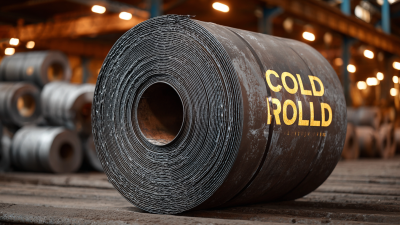
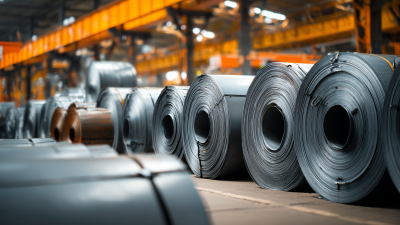
China Top Cold Rolled Coils for Global Buyers Quality and Pricing?
In recent years, China's cold rolled coils have gained prominence in the global market. Renowned for their quality and competitive pricing, these products have attracted numerous international buyers. The versatility of cold rolled coils makes them indispensable in various sectors, including automotive, construction, and manufacturing.
China's production methods ensure that these cold rolled coils meet high standards. However, potential buyers must carefully evaluate their options. While many manufacturers boast impressive capabilities, not all adhere to the same quality benchmarks. This disparity necessitates rigorous vetting before partnerships are established.
Additionally, market trends indicate that pricing can fluctuate based on demand and raw material costs. Buyers must stay informed about these shifts. Identifying reliable suppliers is crucial, yet this task can feel daunting. Misjudgments may lead to financial losses or unsatisfactory products. The pursuit of quality cold rolled coils, therefore, requires both diligence and expert guidance.
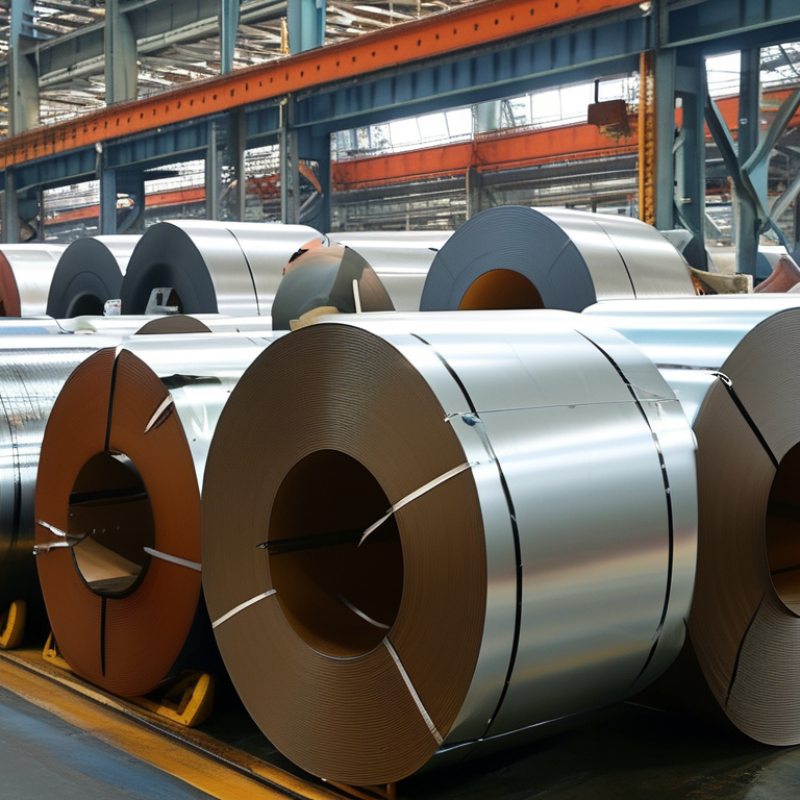
China's Cold Rolled Coils: An Overview of Production Capacity
China's cold rolled coil production has significantly increased over the last decade. The country has developed a robust manufacturing infrastructure. This allows for high-quality cold rolled coils to meet global demands. The capacity ranges from local needs to international markets, catering to diverse industries like automotive and construction.
Manufacturers in China focus on precision and consistency. Advanced technology ensures reliable production standards. However, buyers should consider fluctuations in quality among different suppliers. It’s crucial to establish relationships with trusted sources. Use certifications and product specifications as guidelines for quality assurance.
Tips: Always request samples before committing to larger orders. Assess the supplier's adherence to quality control processes. Check for any customer reviews or testimonials about their products.
Key Quality Standards for Cold Rolled Coils in the Chinese Market
In the Chinese market, cold rolled coils are produced under strict quality standards. The standard GB/T 708-2006 outlines the mechanical properties of cold rolled carbon steel. According to industry reports, products must meet tensile strength requirements of 270 to 500 MPa. This range is essential for ensuring the coils' durability in various applications.
Surface quality also plays a crucial role in the acceptance of cold rolled coils. Buyers expect a smooth, defect-free finish, with specifications that limit surface imperfections. Reports indicate that over 90% of buyers prioritize these visual aspects. Aesthetically pleasing coils not only enhance product appeal but also signify a supplier's commitment to quality.
However, challenges exist in maintaining consistency. Fluctuations in raw material quality can impact the final product. Suppliers must invest in regular quality control checks to mitigate these risks. The need for continuous improvement is apparent, as companies strive to achieve higher standards amidst increasing global competition. This ongoing quest for excellence often reveals gaps that require reflection and adjustment in processes.
Global Pricing Trends for Cold Rolled Steel: A Comparative Analysis
The global cold rolled steel market is experiencing significant shifts. According to market analysts, prices have risen by approximately 15% over the past year. Factors such as raw material costs and supply chain disruptions are influencing these trends. Recent reports indicate that demand from construction and automotive sectors remains robust, further propelling price fluctuations.
China continues to emerge as a key supplier in this market. The country held around 50% of the global cold rolled steel production in recent years. Despite this dominance, concerns persist regarding quality consistency. A report from the International Steel Association highlights how variability in manufacturing practices can lead to discrepancies in product performance, requiring buyers to be vigilant.
Comparative analysis between key markets reveals interesting insights. European prices often surpass those in Asia, driven by stricter regulatory frameworks. Some buyers report challenges in sourcing high-quality products without incurring additional costs. Addressing these gaps in quality and price alignment requires careful consideration and a strategic approach to sourcing.
China Top Cold Rolled Coils for Global Buyers Quality and Pricing
| Country |
Quality Rating (1-10) |
Average Price (USD/ton) |
Monthly Price Trend (%) |
Supply Availability (%) |
| United States |
8 |
900 |
-2 |
95 |
| Germany |
9 |
950 |
1 |
90 |
| Japan |
8 |
920 |
0 |
85 |
| South Korea |
7 |
880 |
-1 |
92 |
| India |
6 |
840 |
2 |
88 |
| Brazil |
7 |
860 |
1 |
80 |
Export Statistics: China’s Share in the Global Cold Rolled Coils Market
China holds a substantial position in the global cold rolled coils market. Recent statistics show that China accounts for over 50% of global exports. In 2022, the total export volume reached approximately 10 million tons. This dominance reflects China's advanced manufacturing capabilities and competitive pricing strategies.
The average price of cold rolled coils exported from China was around $800 per ton. However, prices fluctuate due to market conditions and demand variations. Insights from industry reports indicate that countries in Southeast Asia and Europe are key importers. These regions seek high-quality coils that meet international standards.
Tip: When sourcing cold rolled coils, consider the supplier's certifications. This ensures quality and compliance with global standards.
There are challenges too. China's production costs can increase due to rising raw material prices. Additionally, environmental regulations are tightening, impacting supply chains.
Tip: Research local regulations in target markets to avoid compliance issues.
Additionally, trade policies affect export trends. Tariffs can alter pricing dynamics. Prospective buyers need to remain adaptable in this evolving market scenario.
Factors Influencing Cold Rolled Coil Prices in Asia and Beyond
The prices of cold rolled coils are shaped by various factors across Asia and globally. Demand in key markets, such as automotive and construction, drives fluctuations. Seasonal changes can lead to price hikes in specific periods. During peak seasons, manufacturers may struggle to keep up with orders, causing temporary surges in prices.
Additionally, raw material costs significantly impact pricing. Steel prices, which fluctuate based on supply and demand, directly influence the cost of cold rolled coils. Trade tariffs and geopolitical tensions create uncertainty in the market. Unexpected events, like natural disasters, can disrupt supply chains as well. These elements reflect a volatile environment that buyers must navigate carefully.
In this complex landscape, buyers often face challenges in predicting price trends. Many seek long-term contracts to stabilize costs. However, these contracts can lead to overcommitment during downturns. Understanding these dynamics is crucial for making informed purchasing decisions. Buyers should remain alert to changes, ensuring they adapt their strategies accordingly.