China Top Hot Rolled Steel Coils for Global Buyers?
In the ever-evolving global steel market, Hot Rolled Steel Coils hold significant importance. China stands out as a leading supplier. Its production capabilities and advanced technology make it a key player.
The demand for Hot Rolled Steel Coils continues to rise, driven by various industries. Construction, automotive, and manufacturing sectors rely heavily on these materials. China's unique ability to produce high-quality coils attracts global buyers seeking reliable sources.
However, not all suppliers meet international standards. Quality inconsistencies can pose challenges for buyers. It is essential for global players to ensure they select trusted manufacturers. Understanding the intricacies of steel production can avoid costly mistakes. The landscape of Hot Rolled Steel Coils remains competitive, requiring thorough research and due diligence.
China's Dominance in the Hot Rolled Steel Coil Market
China has firmly established itself as a leader in the hot rolled steel coil market. This dominance is rooted in vast manufacturing capabilities and competitive pricing. The country utilizes advanced technologies to enhance production efficiency. Moreover, China has a strong supply chain that supports timely deliveries.
Chinese manufacturers produce a wide range of hot rolled steel coils. These products cater to various industries, including construction and automotive. However, challenges exist. Quality control can sometimes be inconsistent, leading to concerns among global buyers. Additionally, environmental regulations continue to pose issues for manufacturers.
As China aims to maintain its position, the emphasis on sustainability is growing. The steel industry must grapple with reducing carbon emissions, a significant concern worldwide. This ongoing struggle is crucial for the future of hot rolled steel production. Buyers should remain vigilant when assessing Chinese products. Understanding these complexities can lead to better sourcing decisions and long-term partnerships.
Factors Influencing the Demand for Hot Rolled Steel Coils Globally
The global demand for hot rolled steel coils is influenced by various factors. One key aspect is the growth in construction and infrastructure projects. According to recent market reports, global construction output is expected to reach $17.5 trillion by 2030. This surge directly boosts the need for hot rolled steel. Emerging economies often lead this demand, as they invest heavily in modern infrastructure.
Another factor is the automotive industry. In 2022, automotive production across the globe reached 80 million units. The shift towards electric vehicles is also reshaping this sector's steel requirements. Hot rolled steel is vital for manufacturing vehicle components, which signals ongoing demand. However, challenges such as fluctuating raw material prices are present. Analysts forecast that rising costs may lead to hesitations in purchasing.
Lastly, trade policies can significantly impact demand. Tariffs and quotas may influence supplier strategies and market dynamics. Countries are re-evaluating their imports versus domestic production of hot rolled steel coils. This complexity demands careful consideration from global buyers. Reliable data and market analysis become crucial in navigating this evolving landscape.
Key Manufacturers and Suppliers of Hot Rolled Steel Coils in China
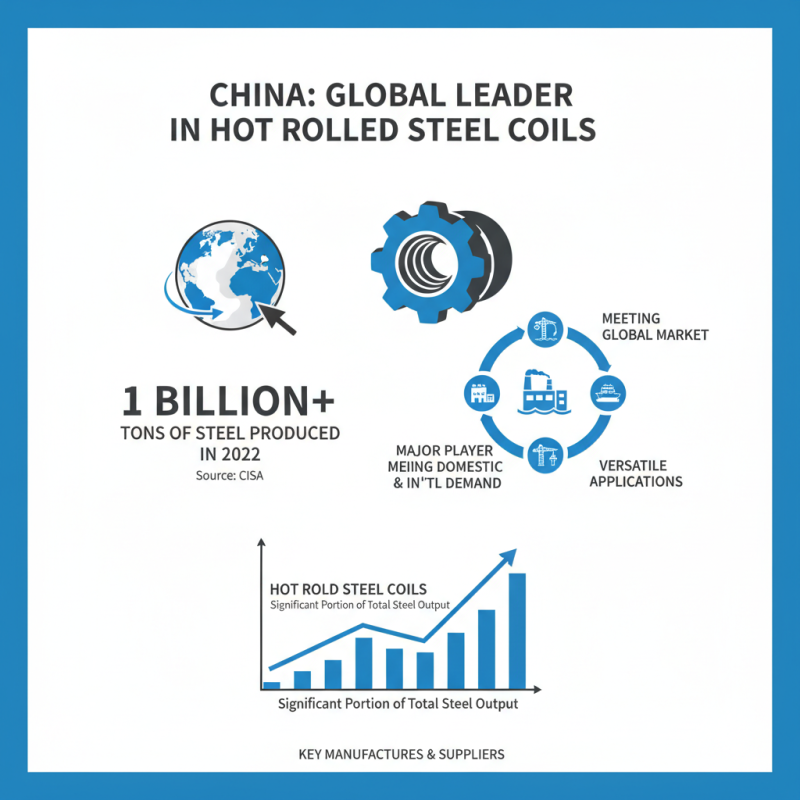
China has become a major player in the global hot rolled steel coil market. According to the China Iron and Steel Association (CISA), the country produced over 1 billion tons of steel in 2022. This statistic highlights China's capacity in meeting both domestic and international demands. The production of hot rolled steel coils accounts for a significant portion of this output, due to its versatility in various applications.
Many key manufacturers and suppliers thrive in this bustling industry. For example, some of them specialize in high-strength steel coils. These are crucial for sectors like construction and automotive. According to a recent market analysis by ResearchAndMarkets, the demand for hot rolled steel coils is projected to grow at a compound annual growth rate (CAGR) of approximately 5% over the next five years. This growth underlines the potential for international buyers looking to source from China.
However, challenges exist. Supply chain disruptions and fluctuating raw material prices can impact product availability. Quality control is another critical factor that buyers must consider when selecting suppliers. The variance in manufacturing standards can lead to inconsistencies. Despite these challenges, the competitive pricing and vast selection from Chinese manufacturers make them an attractive option for global buyers.
Quality Standards and Certifications for Hot Rolled Steel Products
When discussing hot rolled steel products, quality standards and certifications are essential. These standards ensure that the materials meet predefined specifications. Buyers should pay attention to certifications like
ISO 9001. This certification indicates a commitment to quality management systems.
Another critical aspect is the compliance with ASTM standards. These standards allow buyers to assess the material's mechanical properties and performance. Hot rolled steel coils must adhere to local and international regulations. Meeting these guidelines is crucial for ensuring safety and reliability.
Despite the importance of certifications, discrepancies can arise. Not all suppliers may have the same level of compliance. This variability can lead to quality issues. Buyers must conduct thorough research to verify certifications. Engaging with suppliers who provide transparent information can help mitigate risks. Quality should never be compromised in the pursuit of cost savings.
Trends and Innovations in China's Hot Rolled Steel Industry
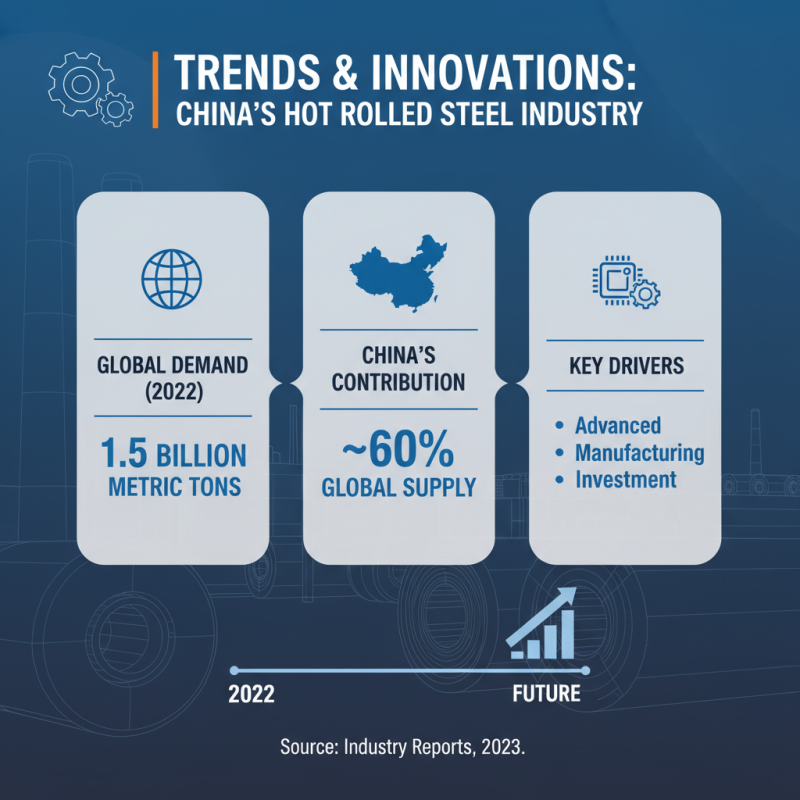
China’s hot rolled steel industry is witnessing significant trends and innovations. In 2022, the global demand for hot rolled steel reached approximately 1.5 billion metric tons. China remains a major player, contributing around 60% of the world’s supply. This dominance is driven by advanced manufacturing techniques and investments in technology.
Recent reports indicate that the introduction of automation and AI has enhanced production efficiency. By 2023, many mills are expected to adopt smart manufacturing practices. These innovations aim to reduce waste and improve product quality. For instance, the integration of IoT devices allows real-time monitoring of production lines. This leads to quicker adjustments and reduced downtime.
Tips: When sourcing hot rolled steel, consider understanding local market trends. Research steel grades and specifications that suit your needs. Don’t overlook the importance of sustainability; many companies are shifting towards eco-friendly practices.
However, challenges remain. Fluctuating raw material costs and environmental regulations can impact pricing. Companies must adapt to these changes while maintaining quality. Continuous research and development are essential to stay competitive in this evolving landscape.