How to Choose the Right Galvalume Steel Coil for Your Project?
When embarking on a construction or renovation project, choosing the right Galvalume Steel Coil becomes crucial. This material, known for its durability and corrosion resistance, has gained significant traction in various industries. According to a 2021 industry report, the market for Galvalume Steel Coils is projected to grow by 5% annually. This growth reflects the increasing demand for materials that can withstand harsh environmental conditions.
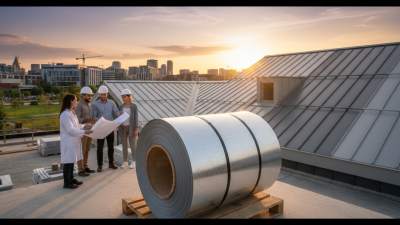
Galvalume Steel Coil is often preferred for roofing and siding due to its excellent performance in preventing rust. With its unique combination of aluminum and zinc, the coil offers superior protection. However, selecting the correct type can be challenging. Not all manufacturers provide the same quality, and it's important to factor in specific project requirements. Cost variations can also lead to decisions that might not fully align with long-term project goals.
It's easy to overlook details in the selection process. Many assume that all Galvalume Steel Coils are equivalent. Yet, variations in coating thickness and material grade can significantly impact performance and lifespan. Developers should reconsider their choices, ensuring they base decisions on comprehensive research and not just on price. Making informed selections can avoid costly mistakes and ensure project success.

Understanding Galvalume Steel Coil: Composition and Characteristics
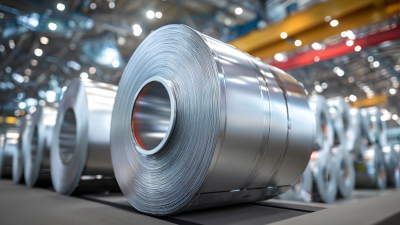
Galvalume steel coil is a popular choice for various construction projects. Its unique composition is a blend of aluminum, zinc, and silicon. This combination creates a robust protective layer, which enhances durability and resistance to corrosion. Comprising around 55% aluminum and 43.5% zinc, Galvalume offers a distinct edge over traditional galvanized steel. According to a report by the American Iron and Steel Institute (AISI), this composition significantly increases the coil's longevity.
The characteristics of Galvalume steel coil are notable. It exhibits excellent thermal performance, making it suitable for diverse climates. Additionally, its reflective properties assist in energy efficiency. The coil maintains its integrity even under extreme weather conditions, outperforming standard steel. However, it's essential to acknowledge that improper installation can compromise these benefits. Reports indicate that improper handling can lead to premature corrosion, affecting overall project outcomes.
While Galvalume steel offers many advantages, there are factors to consider. For instance, its cost can be higher than standard alternatives. Decision-makers must evaluate budget constraints and long-term benefits. The visual appeal is another aspect; some projects may require additional coatings for aesthetic purposes. Balancing these considerations is crucial for optimal project success.
Evaluating Quality Standards and Certifications for Galvalume Steel
When selecting Galvalume steel coils, evaluating quality standards and certifications is essential. The American Society for Testing and Materials (ASTM) provides guidelines for assessing the performance of Galvalume. Look for compliance with ASTM A792 standards to ensure durability and corrosion resistance. Quality management systems like ISO 9001 can also indicate a supplier's commitment to quality.
In a recent industry report, it was noted that Galvalume steel offers up to 50 years of corrosion protection. This longevity makes it suitable for roofing and siding. However, not all suppliers meet these high standards. Be wary of low-cost options that may compromise quality. A cheaper product may end up costing more in repairs.
Tips: Always ask for certifications. Verify the manufacturing process used. Consider third-party testing for peace of mind. Remember, investing in quality steel can save you money and time in the long run. Evaluate several suppliers, seeking transparency in their materials’ specifications.
Galvalume Steel Coil Quality Standards Comparison
Assessing Thickness and Gauge: How They Influence Performance
When choosing Galvalume steel coils, thickness and gauge are critical factors. The gauge of steel refers to its thickness. A lower gauge means a thicker steel sheet. For projects requiring durability, opting for a lower gauge like 24 might be wise. Thicker steel stands up well against harsh weather. However, thicker coils can be heavier and harder to work with.
On the flip side, higher gauges like 26 or 28 are lighter. They suit projects with less exposure to severe conditions. But, they may not offer the same strength in high winds or heavy snow. It's essential to match the gauge to your project needs. Reflecting on your project's environment is vital. A good match ensures longevity and performance.
Ultimately, deliberating over thickness and gauge will guide your choice. Consider the balance between weight and durability. Each project has unique demands. Knowing these will save you time and resources in the long haul.
Determining the Right Surface Treatment for Your Galvalume Application
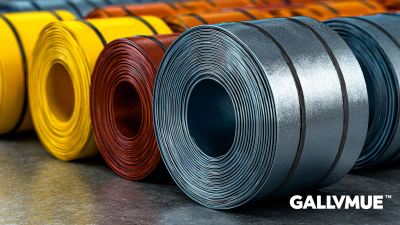
When selecting the right surface treatment for Galvalume steel coils, focus on your specific application. Different treatments can enhance corrosion resistance and aesthetic appeal. The two primary options are a clear acrylic coating and a polyester paint finish. Clear coatings provide durability while maintaining the metallic look. However, they may require regular maintenance.
Polyester paint finishes offer a wide range of colors. They can match your design needs closely. But, beware of potential fading over time. Ensure the paint is suitable for your locality's weather. Improper selection might lead to premature wear and additional costs.
Another point to consider is the environment where the steel will be used. In coastal areas, select a treatment with superior corrosion resistance. In urban settings, a surface with good dirt resistance is essential. Ignoring these factors can lead to mistakes down the line. Sourcing the right surface treatment is crucial for longer-lasting results. Making an informed choice can save you from future repairs.
Cost Considerations: Budgeting for Galvalume Steel Coil in Projects
When budgeting for Galvalume steel coils, one must consider various factors. The price varies based on thickness, coating, and market demand. For long-term projects, it’s essential to account for potential price fluctuations. Unexpected costs can arise, affecting your overall budget.
Tips: Research current market trends. Stay informed on steel price indexes. This helps in planning your purchase timing.
Another important aspect is the quantity required. Bulk orders often come with discounts. However, overestimating can lead to excess material costs. It's crucial to calculate the exact needs without inflating the order size.
Tips: Use precise measurements for your project. Consult with professionals if needed to avoid errors. Being too conservative might lead to delays in the project.
Different suppliers may offer varying prices. Don't shy away from comparing options. Yet, remember that the cheapest option isn't always the best. Quality should not be compromised for cost. Balancing quality and budget is essential for project success.