How to Choose the Best Stainless Steel Coil for Your Project?
Choosing the right stainless steel coil is essential for any project. Stainless steel coils are widely used in various industries, including construction, automotive, and manufacturing. According to a report by Grand View Research, the global stainless steel coil market size was valued at USD 31.15 billion in 2020. This number is expected to grow, driven by demand for durable and corrosion-resistant materials.
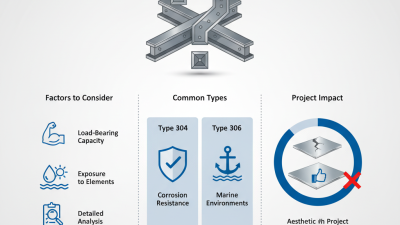
When selecting a stainless steel coil, consider the grade, thickness, and finish. Different grades offer varying levels of corrosion resistance and strength. For instance, 304 and 316 are popular grades known for their versatility. However, not every grade suits every application. It’s vital to evaluate the specific needs of your project before making a decision.
Moreover, the manufacturing process impacts the coil's properties. Some coils have a polished surface which enhances aesthetic appeal, while others focus solely on durability. Reflecting on these factors can save time and resources. Don't overlook the importance of the supplier's reputation. A quality supplier ensures you're getting a product that meets industry standards. Choosing wisely today can lead to better outcomes tomorrow.
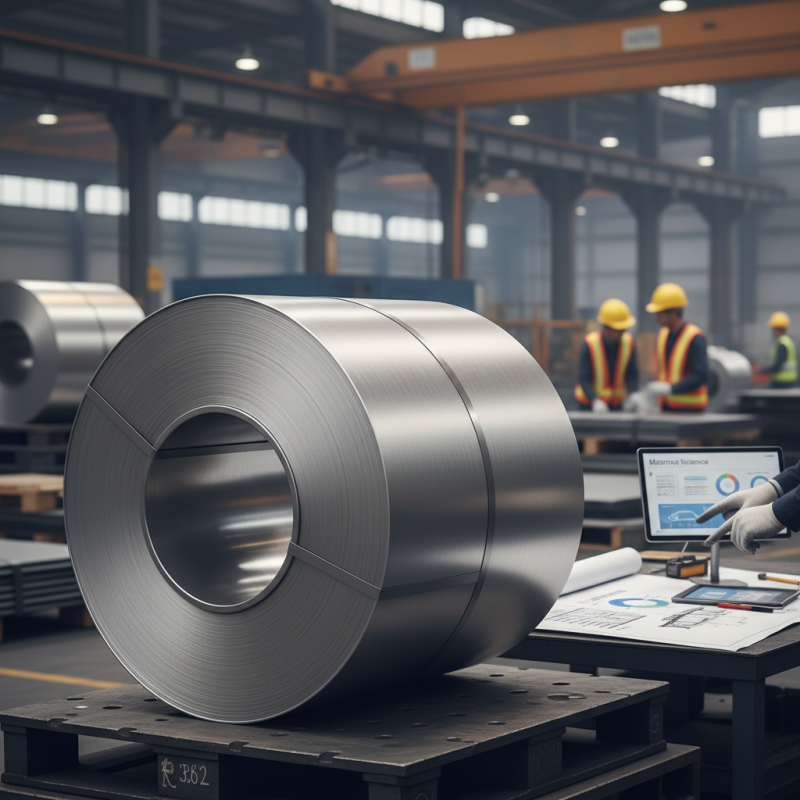
Understanding Stainless Steel Coil Grades and Their Properties
When selecting stainless steel coils, it’s essential to understand the various grades and their specific properties. Stainless steel is categorized mainly into three types: austenitic, ferritic, and martensitic. Each type has different characteristics, making them suitable for various applications. For instance, austenitic grades like 304 and 316 provide excellent corrosion resistance and formability. According to the Steel Information Bureau, austenitic grades account for around 70% of the total stainless steel market.
Ferritic stainless steels, typically found in automotive applications, offer good oxidation resistance, but you might sacrifice some toughness. Martensitic grades such as 410 provide high strength and hardness, but they may be more vulnerable to corrosion. This is critical if the planned use involves exposure to harsh environments. A recent study from the International Stainless Steel Forum showed that nearly 45% of stainless steel applications require compensating for these trade-offs in properties.
While it is tempting to choose a grade based solely on its high strength or low cost, one must consider the trade-offs. Choosing the wrong grade can lead to unexpected failures or excessive maintenance costs later. For example, using a ferritic grade in a high-chloride environment might result in rapid deterioration. Understanding the properties of each grade is key to making an informed choice for your project.
Key Factors for Selecting the Right Thickness and Width in Coils
Choosing the right thickness and width for stainless steel coils is crucial for project success. The thickness directly impacts durability and strength. Reports indicate that coils with a thickness of 0.5 mm to 3 mm are commonly used in automotive and construction sectors. For structural integrity, a thickness of at least 1 mm is often recommended. However, thicker coils can complicate fabrication processes, leading to potential waste.
Width is another vital factor. Coils typically range from 500 mm to 2000 mm. It's essential to match the coil width to your machine specifications. Often, wider coils reduce the number of seam welds needed in applications. Yet, using excessively wide coils might introduce handling challenges. Some projects may suffer if not enough attention is given to these dimensions.
Not all projects require the same coil specifications. Many professionals face difficulties in choosing the correct dimensions. There are cases where undersized coils have led to structural failures. Data shows that 15% of fabrication issues relate to improper coil dimensions. Deliberate consideration of these aspects can lead to more efficient and safer outcomes.
Thickness and Width Selection for Stainless Steel Coils
This bar chart illustrates the common widths of stainless steel coils available for different thicknesses. When selecting the right coil for your project, it is essential to consider both the thickness and the width to ensure optimum performance and fit.
Corrosion Resistance: Evaluating Different Stainless Steel Alloys
When selecting the right stainless steel coil, corrosion resistance is crucial. Different alloys offer varied levels of protection against rust and deterioration. For example, austenitic stainless steels, such as Type 304 and 316, are known for their excellent corrosion resistance. They can withstand harsh environments. However, they might be more expensive than other options.
Ferritic stainless steels are another choice. They are magnetic and generally less resistant to corrosion. They suit certain applications, but their longevity can be questionable in aggressive conditions. For instance, if exposure to chlorides is expected, austenitic options may be better. Balancing cost and performance is often challenging.
It's essential to consider the specific environment in which the stainless steel will be used. Some users might overlook factors like temperature and humidity. These can greatly influence corrosion rates. Evaluating your project's unique needs can help in making a more informed decision. Reflecting on the performance of the right alloy can lead to long-term savings and durability.
Industry Standards and Certifications to Consider for Quality Assurance
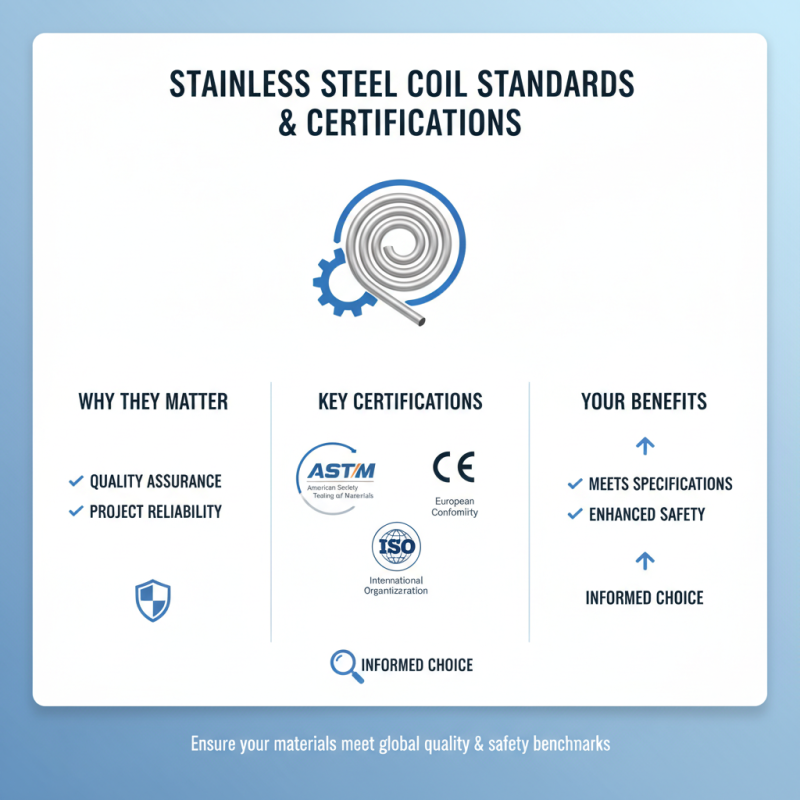
When choosing stainless steel coils, industry standards and certifications play a critical role. These guidelines ensure that you're working with materials that meet specific quality requirements. Look for certifications like ASTM, ISO, and others that reflect both quality and safety. Each certification has its criteria. Understanding these can make a difference in your project outcomes.
Beyond certifications, consider the specific grades of stainless steel. Different grades offer various properties. For instance, 304 stainless steel is known for its excellent corrosion resistance, while 316 offers higher resistance to chlorides. Your choice should align with your project’s exposure to chemicals or harsh environments.
Keep in mind, not all suppliers may provide the most accurate certification. Be cautious and verify documents. Quality assurance can become a tricky subject if overlooked. Your project deserves the best, so take the time to ensure the materials meet your expectations. Reflecting on past experiences can help guide these choices and avoid missteps.
Cost vs. Performance: Analyzing Price Factors in Stainless Steel Coils
When selecting stainless steel coils, cost and performance are vital. Prices can vary widely based on several factors. Thickness, grade, and finish all influence the cost. A thicker coil typically costs more. Additionally, higher-grade stainless steel tends to have better corrosion resistance, which can be a deciding factor for many projects.
Performance aspects should not be overlooked. Sometimes, cheaper options lead to issues down the line. Taking short-term savings can mean long-term costs. For example, poor quality might result in rusting or structural failure. This can burden your budget more than you expect. On the other hand, investing in a reliable coil can enhance durability and effectiveness.
Selecting the right stainless steel coil requires careful analysis. Think about your project's specific needs. Quality and price should go hand in hand. You may need to compromise between performance and cost. Reflect on what truly matters for your project’s success.