2026 How to Choose Carbon Steel Coil for Your Projects?
Choosing the right Carbon Steel Coil for your projects is crucial for success. This material is widely used in construction, automotive, and manufacturing sectors. According to the World Steel Association, global carbon steel production reached 1.9 billion tons in 2022. Understanding the characteristics of carbon steel coils is essential.
Different grades and thicknesses affect strength and flexibility. A simple decision can significantly impact project outcomes. For instance, selecting a higher grade can boost durability but may increase costs. Therefore, assess your project needs carefully.
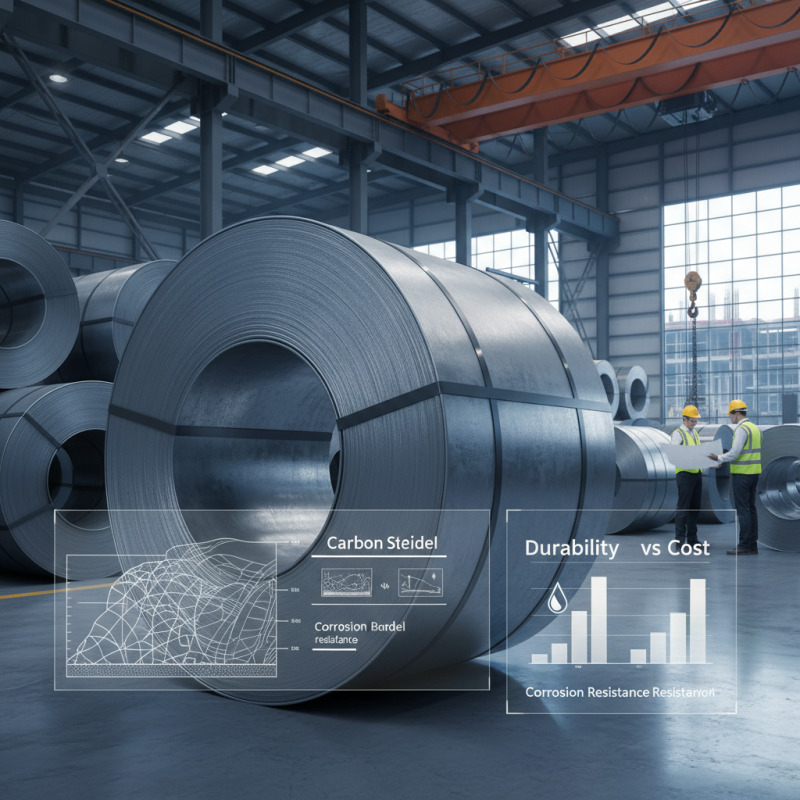
While many choose carbon steel for its affordability, it’s vital to consider corrosion resistance. Projects in harsh environments may suffer if this factor is overlooked. Thus, evaluating environmental conditions should be part of your decision-making process. Remember, the ideal Carbon Steel Coil choice can lead to enhanced project performance.
Understanding the Basics of Carbon Steel Coils
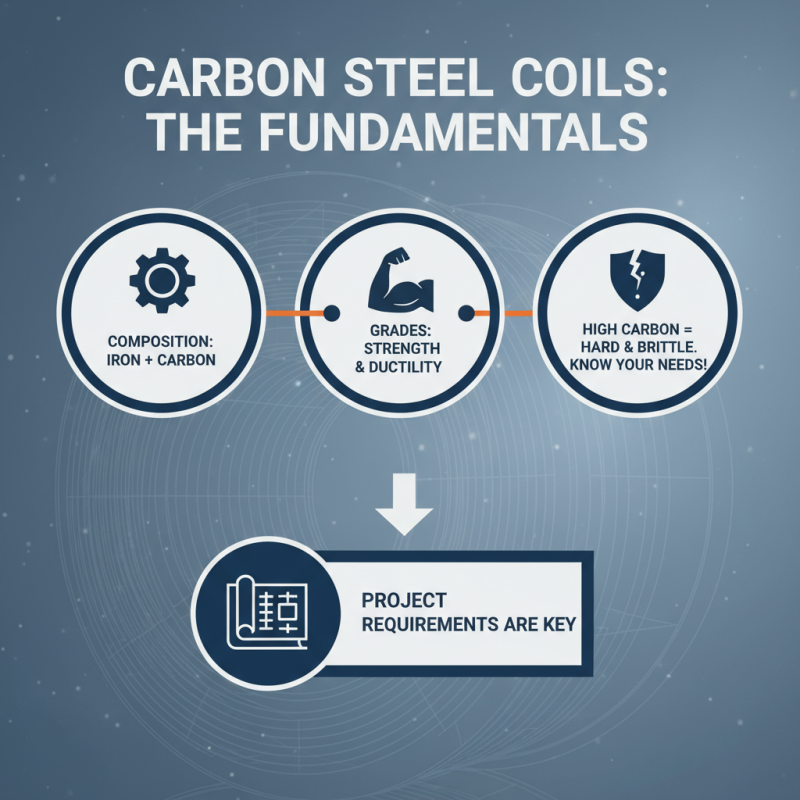
When choosing carbon steel coils, understanding their characteristics is crucial. Carbon steel coils are made from iron and carbon. They come in various grades, affecting their strength and ductility. The high carbon content increases hardness, but it also makes the material brittle. Therefore, knowing your project requirements is essential.
Tips: Consider the carbon grade for your specific application.
Another important aspect is the coil's thickness. Thicker coils provide better strength but can be more challenging to work with. Conversely, thinner coils are easier to manipulate but may not offer the same durability. Assess the demands of your project carefully.
Tips: Evaluate the required strength and flexibility.
After understanding the basics, reflect on your choices. Mistakes in material selection can lead to project delays. Testing the coil before full usage can prevent these issues. Always remain cautious and consult with experts if unsure.
Key Properties and Specifications of Carbon Steel Coils
Choosing the right carbon steel coil is essential for various projects. Understanding the properties and specifications helps in making informed decisions. Carbon steel coils are categorized by their carbon content. Low carbon steel features a content of up to 0.25%. High carbon steel exceeds 0.6% and offers greater strength.
The thickness of carbon steel coils typically ranges from 0.5 mm to 25 mm. This variation influences the coil's application. Thicker coils provide better durability but may be harder to bend. Surface finish is another important factor. A smooth surface aids in aesthetic appeal and lessens friction. Standard specifications, such as ASTM and ISO, ensure quality and consistency.
However, finding the perfect coil can be challenging. Each project has unique requirements that might not align with available options. One must consider factors like corrosion resistance and weldability alongside strength. Sometimes, the ideal coil may not exist, necessitating compromises. Flexibility in project specifications can open up new possibilities and solutions. Refining your requirements can lead to better outcomes.
Carbon Steel Coil Properties Comparison
Factors to Consider When Selecting Carbon Steel Coils
When selecting carbon steel coils, several factors must be taken into account. The grade of steel plays a crucial role. Different grades offer varying levels of strength and ductility. For instance, mild steel coils are great for everyday applications. Yet, they may not withstand extreme conditions as well as higher-grade options. Understanding the specific needs of your project is essential before making a decision.
Thickness is another critical consideration. Thicker coils provide more strength but can be heavier and harder to work with. Depending on your application's requirements, finding the right balance is necessary. Availability is something often overlooked. Some sizes or grades may not be as accessible, resulting in delays. Always verify supply timelines during the selection process.
Additionally, surface finish is important. Different finishes can affect both aesthetics and functionality. Polished surfaces may look attractive but could require more maintenance. Weighing the benefits and repercussions of your choice can help avoid future regrets. Ask questions, seek advice, and reflect on your project needs thoroughly to make an informed choice.
Common Applications of Carbon Steel Coils in Different Industries
Carbon steel coils are versatile materials widely used in various industries. In construction, they form essential components like beams and columns. Their strength supports heavy loads yet remains cost-effective. Manufacturers often prefer carbon steel coils for structural applications due to their durability. However, if not treated correctly, they may rust over time.
In the automotive industry, carbon steel coils play a crucial role. They are used in manufacturing body panels and structural parts. The coils provide a balance between weight and strength, enhancing vehicle performance. Yet, there's a challenge. Inconsistent quality can lead to production delays. Hence, selecting reliable carbon steel is vital.
Another common application is in the appliance sector. Many household items, such as refrigerators, use carbon steel coils for structural integrity. This choice can ensure a longer lifespan for appliances. However, consumers often overlook the importance of material selection. Educating them about the benefits of carbon steel could improve product longevity and satisfaction.
Tips for Sourcing and Purchasing Carbon Steel Coils
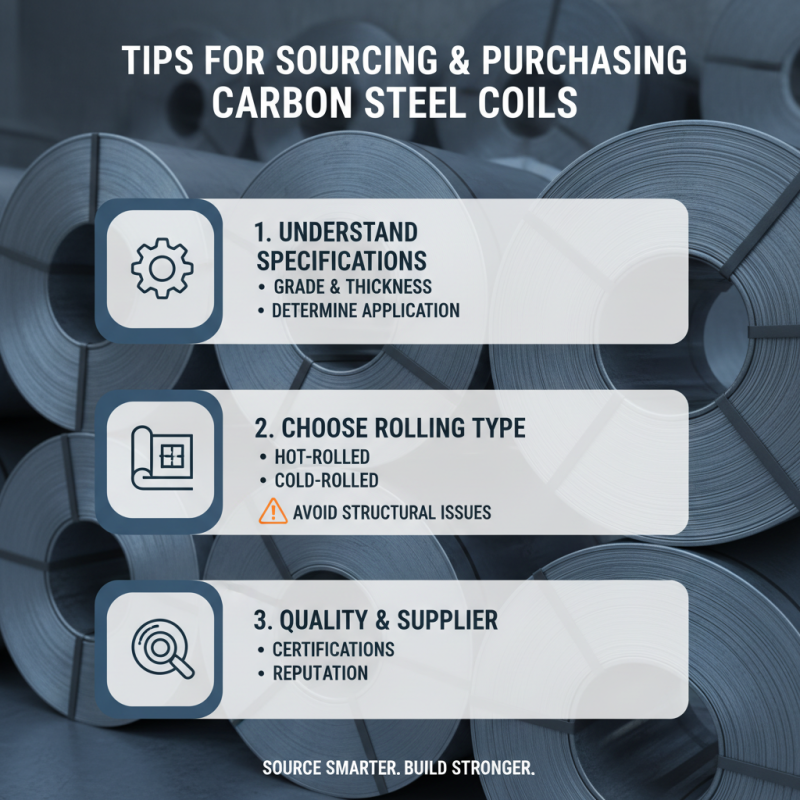
When sourcing carbon steel coils, consider several important factors. First, understand the specifications you need. Different projects require different grades and thicknesses. Determine your application to ensure you choose the right type. It's crucial to know whether you need hot-rolled or cold-rolled coils. Each type serves distinct purposes, and mixing them up can lead to structural issues.
Next, pay attention to suppliers. Not all providers are created equal. Research companies thoroughly. Look for reviews and testimonials. Have they met delivery deadlines? Check their quality certifications. Sometimes, a lower price can lead to lower quality. Be cautious; this might affect your project’s integrity.
Lastly, don't rush the purchasing decision. Taking time to compare options can uncover better deals. Visit warehouses if possible. Inspect the coils yourself for quality. A hands-on approach can help avoid unpleasant surprises later. Remember, a well-informed choice today leads to better results tomorrow.