How to Choose the Right Galvanized Coil for Your Projects?
Choosing the right galvanized coil for your projects can be a daunting task. Expert in the field, Dr. Alex Windham, emphasizes, "The right choice of galvanized coil can make or break your project." His expertise highlights the importance of selecting the right materials.
Galvanized coils are prized for their corrosion resistance and durability. They are widely used in construction, automotive, and mass transit sectors. However, not all galvanized coils are created equal. Variations in thickness, coating weight, and material grade can significantly affect performance. Understanding these nuances is crucial for achieving desired outcomes.
Many underestimate the importance of assessing a supplier's reputation. It's vital to choose a trusted source. This ensures the quality of the galvanized coil. Reflecting on past decisions can reveal common pitfalls, such as opting for the cheapest option. Sometimes, investing more upfront leads to better longevity and lower maintenance costs.
Understanding Galvanized Coils: Definition and Purpose
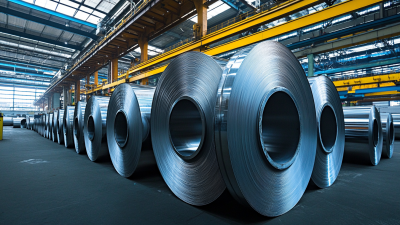
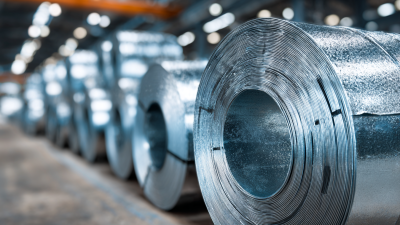
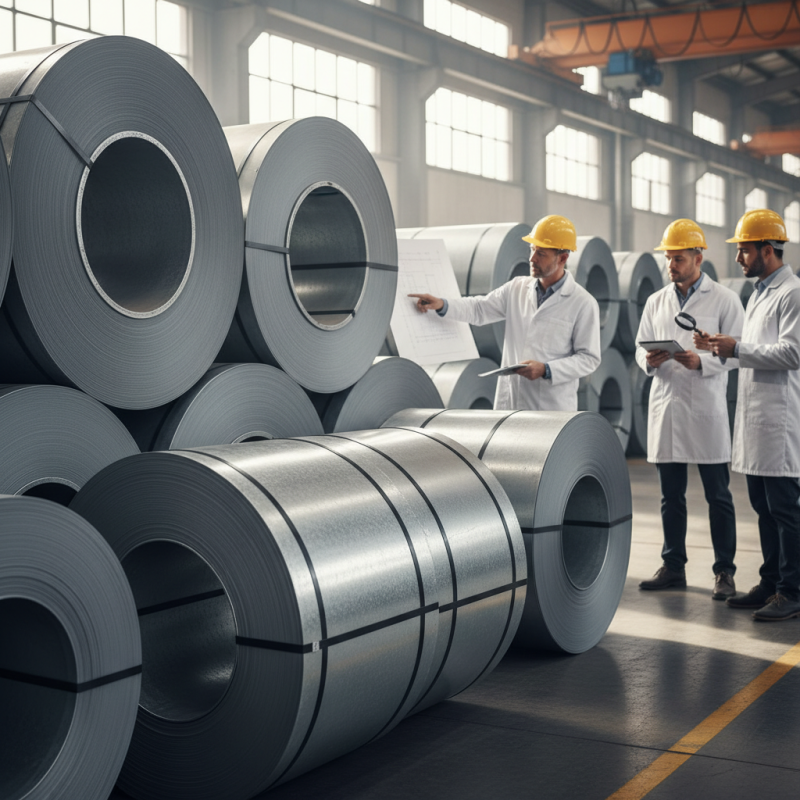
Galvanized coils serve as a crucial material in various industries, primarily due to their corrosion resistance. This is achieved through a zinc coating that protects the underlying steel from rust. According to data from the American Galvanizers Association, galvanized steel can last over 70 years in outdoor environments, making it a cost-effective solution for long-term projects.
The purpose of a galvanized coil is to enhance durability. It's often used in construction, automotive, and appliance manufacturing. For example, galvanized coils are extensively utilized in roofing systems to prevent degradation from weather exposure. A report from the World Steel Association indicates that galvanized products account for approximately 25% of all steel used in the construction sector.
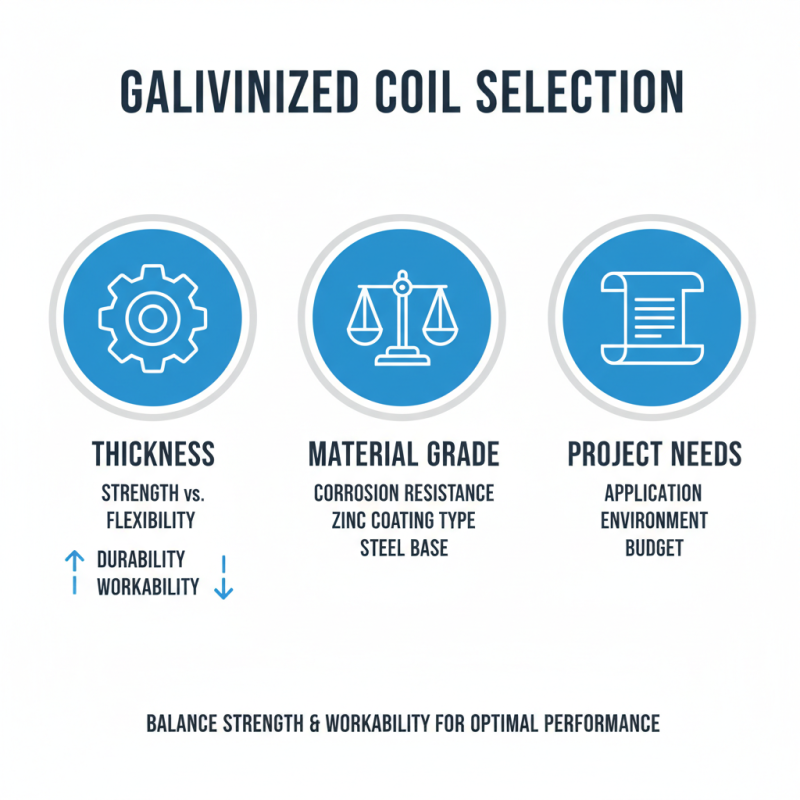
Choosing the right galvanized coil involves understanding the project's specific needs. Factors such as coating thickness and steel grade are critical. Often overlooked, these aspects can significantly affect performance. For instance, a thinner coating may suffice for indoor applications, while heavy-duty projects require more robust protection. An informed decision based on project requirements can mitigate risks and enhance the final outcome.
How to Choose the Right Galvanized Coil for Your Projects?
| Type of Galvanized Coil |
Thickness (mm) |
Width (mm) |
Coating Weight (g/m²) |
Common Applications |
| Regular Spangle |
0.4 |
1000 |
Z120 |
Roofing Sheets |
| Farming |
0.5 |
1250 |
Z180 |
Agricultural Equipment |
| Minimized Spangle |
0.3 |
800 |
Z140 |
Automotive Parts |
| Structural |
0.6 |
1500 |
Z275 |
Construction |
| Post Galvanized |
0.8 |
2000 |
Z300 |
Fencing |
Evaluating the Types of Galvanized Coils for Various Applications
When selecting a galvanized coil for your project, consider the specific application. Different types of galvanized coils offer various protective qualities. For instance, a hot-dip galvanized coil provides a thicker zinc layer for outdoor use. Meanwhile, electro-galvanized coils are ideal for indoor applications, where corrosion resistance is less critical. Understanding these differences can ensure you make the right choice.
Tips: Always assess the environmental conditions of your project. If exposed to moisture, opt for heavier galvanization. This added protection can extend the lifespan of your final product. Remember, the wrong choice can lead to premature wear or failure in your structure.
Evaluate coil thickness as well. Thinner coils might be more cost-effective but can compromise durability. It’s crucial to weigh cost against long-term performance. Sometimes, a small investment upfront can save significant costs later. Pay attention to the coating weight specified, as this can indicate the longevity of the galvanized layer.
Assessing Quality Standards and Certifications for Galvanized Coils
When selecting galvanized coils, understanding quality standards is crucial. Various certifications indicate the durability and reliability of the materials. Look for ISO certifications. These ensure the product meets international quality benchmarks. Additionally, check for ASTM standards, which signify adherence to testing methods and material specifications.
Pay attention to the coating thickness on the coils. The zinc coating protects against corrosion, but its quality varies. A thicker coating often indicates better longevity. Inspect certifications like G90, which determine the zinc coating amount. This detail is vital for projects exposed to harsh environments.
Consider the manufacturing process too. Quality control measures should be in place during production. Sometimes, the best products showcase imperfections. A slight dent or discoloration might reflect a more rigorous testing process. Evaluate these aspects critically. The goal is to balance cost and performance while ensuring the selected galvanized coil serves its intended purpose effectively.
Cost Considerations and Supplier Options for Galvanized Coils
When selecting galvanized coils for your projects, cost is a significant factor. The prices can vary widely based on thickness, coating weight, and size. For instance, a thicker coil often costs more but may save you money in the long run due to its durability. Understand the specifications you require before approaching suppliers.
Tip: Always compare multiple suppliers. Check their reputations and customer reviews. A lower price might mean sacrificing quality in some cases.
Consider your project's specific needs. If corrosion resistance is crucial, invest in higher-quality options. On the other hand, for less critical applications, a more economical choice may suffice.
Tip: Look for local suppliers to reduce shipping costs. Local businesses often provide personalized service too. This can be beneficial for large or custom orders.