What is Copper Plate and How Can You Source It Globally?
Copper Plate has become a critical material in various industries, including construction and electronics. According to a recent report by MarketsandMarkets, the global copper plate market is projected to reach USD 4.27 billion by 2028, growing at a CAGR of 6.3%. This growth reflects the increasing demand for copper in renewable energy applications and advanced technological equipment.
Sourcing Copper Plate globally presents unique challenges. Quality standards vary significantly across regions. Companies must navigate complex supply chains and fluctuating market prices. For instance, reports indicate that disruptions in mining activities can cause volatility in copper prices, affecting procurement strategies.
As industries evolve, the importance of maintaining quality and sustainability in sourcing Copper Plate cannot be overstated. Businesses must consider the ethical implications of their sourcing practices. Balancing cost, quality, and ethical responsibility requires careful attention and innovative solutions. Crafting a successful procurement strategy is both an art and a science, revealing the need for continuous reflection and improvement.

What is Copper Plate and its Industrial Applications?
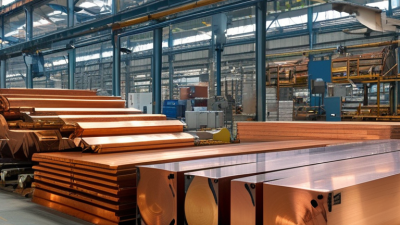
Copper plates are essential in various industries. They are known for their excellent conductivity and malleability. In manufacturing, copper plates are used to create electrical components. Their conductive properties make them ideal for circuit boards and wiring applications.
In the construction industry, copper plates are also valuable. They are widely used in roofing and architectural elements. Their corrosion resistance makes them a durable choice for outdoor applications. Many artisans favor copper plates for artistic projects, including sculptures and decorative fixtures.
While sourcing copper plates, one must consider factors like quality and availability. Industrial standards are crucial in ensuring reliability. Finding suppliers can be challenging due to fluctuating market prices. One should also be cautious of counterfeit products. Researching suppliers and their reputation can aid in making informed decisions.
Types of Copper Plates Used in Various Industries
Copper plates are essential across various sectors, known for their conductivity and durability. In electrical industries, thin copper plates serve as crucial components for circuit boards. They provide excellent thermal and electrical conductivity, ensuring efficient energy transfer. In construction, thicker copper plates are often utilized for roofing and flashing, thanks to their resistance to corrosion.
In the manufacturing sector, copper plates find use in creating intricate designs for art and architecture. They can be found in decorative elements or tools for engraving. Automotive industries also depend on copper plates, especially in the production of radiators and electrical components. The versatility of copper plates makes them valuable, yet sourcing them can pose challenges, especially in terms of quality and sustainability.
Challenges arise when trying to source copper plates globally. Variations in quality standards exist across countries. Ensuring the ethical sourcing of materials adds another layer of complexity. As the demand for copper grows, it is vital to reflect on the methods of procurement. Evaluating suppliers thoroughly can enhance the integrity of your operations. Overall, understanding the types and applications of copper plates can guide better sourcing decisions.
Types of Copper Plates Used in Various Industries
This bar chart illustrates the usage of different types of copper plates across various industries. The data shows the annual consumption in metric tons, highlighting the significance of copper plates in sectors such as electrical, construction, automotive, aerospace, and art & design.
Global Sources of Copper Plate: Key Suppliers and Markets
Copper plate is a versatile material used in various industries, from electronics to art. Sourcing copper plate globally can be challenging yet rewarding. Several key suppliers operate in different regions, ensuring a robust market. Asia, especially China and Japan, remains a dominant area for sourcing high-quality copper plates. Europe also has notable suppliers, focusing on precision and specialized products.
When looking for copper plate suppliers, consider both established manufacturers and emerging players. Research their production capabilities and certifications. Transparency in sourcing is crucial. Engaging with suppliers who prioritize sustainability can lead to better products and practices.
Networking in industry events can reveal potential contacts. Online platforms also provide avenues to find and compare suppliers. Maintain clear communication regarding quality standards and delivery timelines.
Remember that global sourcing can bring unexpected challenges, such as shipping delays or fluctuation in material costs. Always have a backup plan to mitigate these risks. Build strong relationships with suppliers to enhance reliability and better negotiate terms.
What is Copper Plate and How Can You Source It Globally?
| Region |
Key Suppliers |
Market Size (USD) |
Average Price per Ton (USD) |
| North America |
Various Local Manufacturers |
$1.5 Billion |
$8,500 |
| Europe |
Multiple Industrial Suppliers |
$1.2 Billion |
$9,000 |
| Asia |
Leading Manufacturers from China |
$2 Billion |
$7,800 |
| South America |
Local Production and Exports |
$800 Million |
$8,200 |
| Africa |
Emerging Suppliers |
$300 Million |
$9,500 |
Factors to Consider When Sourcing Copper Plate Internationally
When sourcing copper plates internationally, several factors require careful consideration. Quality is paramount. Copper grades vary significantly worldwide. Reputable sources reference standards from organizations like ASTM or ISO. Buyers must ensure they are receiving material that meets these specifications. A poor-grade plate can lead to failures in critical applications.
Another important aspect is cost volatility. The price of copper is affected by global market demand and supply chain conditions. According to the Copper Development Association, copper’s industrial applications are forecasted to grow by 15% over the next five years. This means prices may fluctuate. Buyers should monitor market trends and consider forward contracts to manage pricing risks.
Logistics is equally crucial. Shipping copper plates can be complex due to their weight and size. Efficient logistics management can mitigate delays. According to industry reports, mismanaged logistics can increase project costs by up to 25%. Understanding import regulations and tariffs is also essential. Compliance with international laws can help avoid unexpected expenses. It’s vital to partner with experienced freight forwarders who can navigate these challenges effectively.
Sustainability and Recycling of Copper Plate in Modern Manufacturing
The sustainability and recycling of copper plate are pivotal in modern manufacturing. According to the International Copper Association, recovering copper saves up to 85% of the energy needed to mine new copper. This encourages companies to rethink waste and adopt a circular economy approach. Recycling copper plate not only reduces environmental impact but also helps in conserving natural resources.
In recent years, the recycling rate of copper has reached nearly 40% globally. This statistic indicates tremendous potential for sourcing sustainable copper plate. As industries prioritize eco-friendly practices, manufacturers are seeking reliable sources of recycled material. They are beginning to recognize that recycled copper plate maintains the same quality as newly extracted copper, thus ensuring product integrity.
To promote effective sourcing, companies should collaborate with reliable recycling firms. Engaging with local suppliers enhances supply chain transparency. Exploring partnerships with industry groups can also drive collective efforts toward sustainability. By focusing on recycling, manufacturers can contribute to lower greenhouse gas emissions. This aligns with global environmental goals, further establishing their commitment to sustainability in production.