What is Hot Dip Pipe and Why is it Important for Buyers?
Hot Dip Pipe is a crucial element in various industrial applications. It undergoes a galvanizing process, enhancing its durability and resistance to corrosion. According to a report by the Global Steel Institute, the demand for Hot Dip Pipe has increased by over 20% in recent years, driven by infrastructure growth worldwide.
Dr. Michael Tan, an expert in pipeline technology, emphasizes, "The longevity of Hot Dip Pipe makes it a vital choice for industries." This reflects the increasing reliance on such materials for construction and engineering projects. With its unique ability to withstand harsh environments, the importance of Hot Dip Pipe cannot be overstated.
Despite its benefits, buyers must consider quality and standards when selecting Hot Dip Pipe. Variability in manufacturing processes can affect performance. Investing in the right specification is essential, but buyers often overlook this. Understanding the significance of Hot Dip Pipe will lead to better purchasing decisions.
Definition and Overview of Hot Dip Pipe
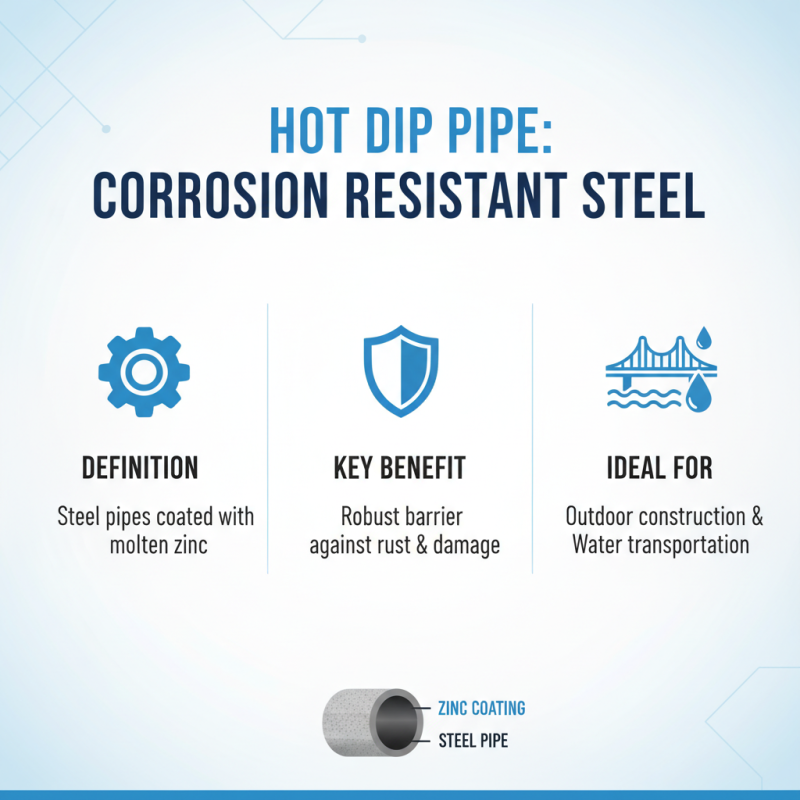
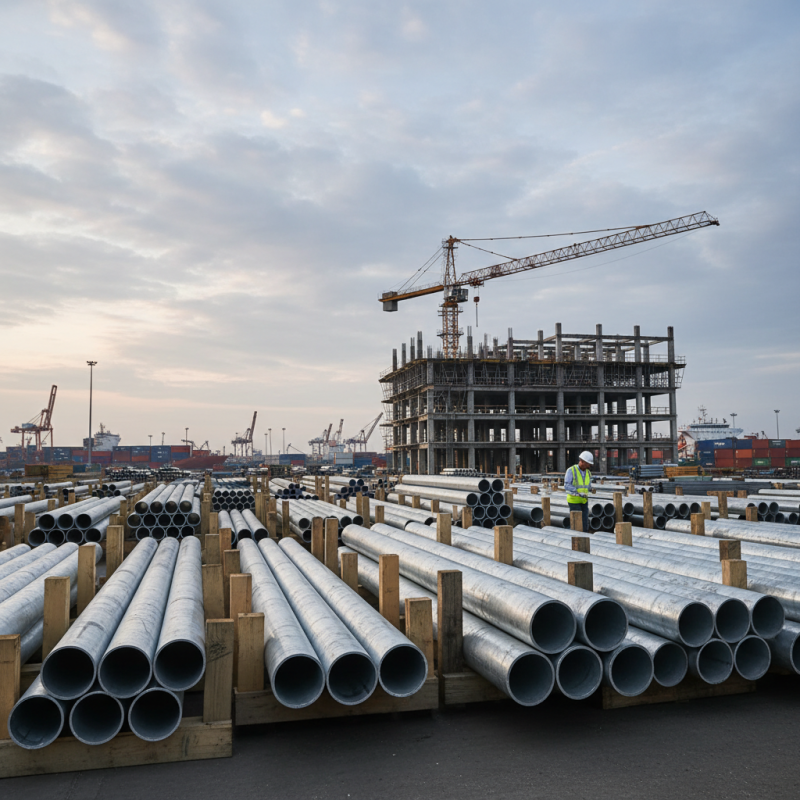
Hot dip pipe is a crucial component in various industries, known for its durability and resistance to corrosion. This product involves coating steel pipes with molten zinc. The process creates a robust barrier, protecting the metal from rust and environmental damage. As a result, hot dip pipes are ideal for outdoor construction and water transportation.
The importance of hot dip pipe stretches beyond mere functionality. It enhances the longevity of projects, reducing maintenance costs over time. Buyers benefit from investing in materials that last longer and perform better. The application methods can vary significantly, adding complexity to the purchasing decision. Understanding different specifications and quality standards is essential. Ignoring these factors may lead to unexpected issues, such as early corrosion or material failure.
Each project has unique requirements that must be carefully evaluated. This complexity can make the selection process daunting for buyers. Yet, with proper knowledge and guidance, the right choices can be made. Being proactive about specifications and expected usage can prevent costly mistakes. It’s essential to seek expert advice when necessary. This ensures the chosen hot dip pipe meets both project needs and industry standards.
The Hot Dip Process: How It Works
The hot dip process involves coating steel or iron with zinc. This method enhances corrosion resistance, making products durable. The process begins by cleaning the metal surface, removing any dirt or oxidation. This step is vital as impurities can hinder zinc adhesion.
Once cleaned, the metal is immersed in molten zinc. The temperature typically hovers around 450°C. Upon contact, zinc reacts with the iron, creating a robust bond. This bond is crucial, as it ensures long-lasting protection against rust and wear.
Tip: Always check the thickness of the zinc coating. A thicker layer provides better protection but may add weight.
After the immersion, the metal surfaces are cooled and inspected. If done correctly, a seamless and protective layer forms. However, imperfections can occur. Spots without adequate coverage may compromise effectiveness. Buyers should ensure rigorous quality checks.
Tip: Familiarize yourself with the different grades of hot dip coatings. Understanding these can prevent costly mistakes.
Benefits of Using Hot Dip Pipe in Construction
Hot dip pipe is a crucial material in construction that offers several advantages. This process involves coating steel pipes with molten zinc to enhance their corrosion resistance. The result is a durable product that can withstand harsh environmental conditions. For buyers, this means reduced maintenance costs and a longer lifespan for their investments.
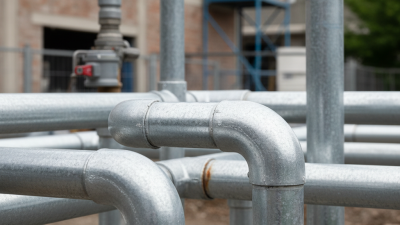
One significant benefit of hot dip pipe is its strength. Unlike regular pipes, which may succumb to rust and degradation, hot dip pipes maintain their integrity over time. They perform well in various applications, from plumbing to structural components. The thick layer of zinc creates a protective barrier, which reduces the risk of leaks and failures. Buyers appreciate the value of reliable materials that contribute to overall project success.
Another key advantage is versatility. Hot dip pipes can be used in numerous sectors, including construction, agriculture, and transportation. They can easily adapt to different requirements and environmental challenges. However, not all projects may need this level of durability. Evaluating the specific needs is essential. Some buyers may overlook the long-term cost benefits of investing in hot dip pipe. In some instances, evaluating other options can lead to wasted resources and effort.
Key Considerations for Buyers When Choosing Hot Dip Pipe
When selecting hot dip pipes, buyers should consider several critical factors. The thickness of the coating is one of the most essential aspects. A thicker layer provides better corrosion resistance. According to a report by the American Society for Testing and Materials (ASTM), pipes with a coating thickness of at least 85 microns offer a lifespan extending beyond 25 years in harsh environments. This durability can significantly reduce maintenance costs over time.
Another key consideration is the pipe's intended application. Buyers must assess where the pipes will be used. Applications in water supply or chemical transportation require higher standards. The National Association of Corrosion Engineers (NACE) emphasizes that improper selection can lead to significant failures. Therefore, thorough research is vital. Potential buyers should consult material compatibility charts before making decisions.
Lastly, certification is paramount. Pipes should comply with standards set by organizations such as ISO or ASTM. These certifications validate the product's quality and performance. While some buyers may overlook this step, neglecting certification could lead to issues like leakage or premature degradation. Investing time in understanding these aspects can lead to better outcomes and satisfaction in the long run.
Applications of Hot Dip Pipe in Various Industries
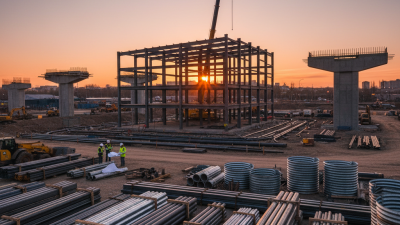
Hot dip pipes are essential in various industries due to their durability and corrosion resistance. These pipes are coated with a layer of zinc to provide protection against environmental factors. This makes them ideal for applications in construction, automotive, and manufacturing sectors. In construction, hot dip pipes are used for plumbing and structural support, ensuring long-lasting performance.
The automotive industry benefits from hot dip pipes as well. They are crucial in manufacturing components that require high strength and durability. Hot dip pipes perform well in exhaust systems and fuel lines, reducing the risk of corrosion over time. In manufacturing, these pipes are used in machinery that operates under tough conditions.
**Tip:** When choosing hot dip pipes, consider the environment they will be used in. Different industries have varying levels of exposure to chemicals and weather.
Another important application is in agriculture. Hot dip pipes are used for irrigation and drainage systems, where exposure to moisture is high. Their resistance to rust ensures a longer lifespan. However, buyers should also be aware of their specific requirements. Not all hot dip pipes are suited for every application.
**Tip:** Always check the specifications and standards of hot dip pipes before purchasing. This can save time and avoid future issues. Selecting the right pipe enhances safety and efficiency.
What is Hot Dip Pipe and Why is it Important for Buyers? - Applications of Hot Dip Pipe in Various Industries
| Industry |
Application |
Benefits of Hot Dip Pipe |
Common Specifications |
| Construction |
Building Frameworks |
Corrosion Resistance, Structural Strength |
Diameter: 2"-12", Thickness: 0.15"-0.5" |
| Oil & Gas |
Pipelines for Transport |
Durability, Weather Resistance |
Diameter: 4"-24", Thickness: 0.25"-0.75" |
| Agriculture |
Water Irrigation Systems |
Longevity, Reduced Maintenance |
Diameter: 1"-6", Thickness: 0.1"-0.3" |
| Automotive |
Exhaust Systems |
Heat Resistance, Strength |
Diameter: 2"-3", Thickness: 0.05"-0.2" |
| Manufacturing |
Framework and Support Structures |
Sturdiness, Cost-effective |
Diameter: 3"-10", Thickness: 0.25"-0.5" |