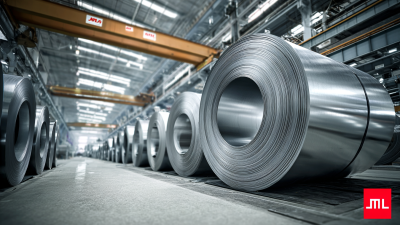
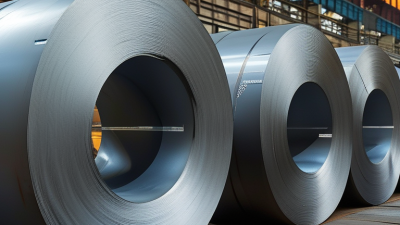
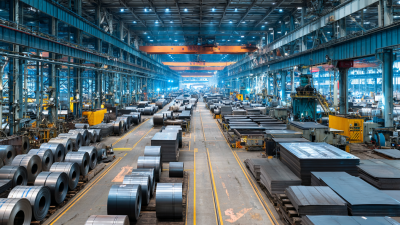
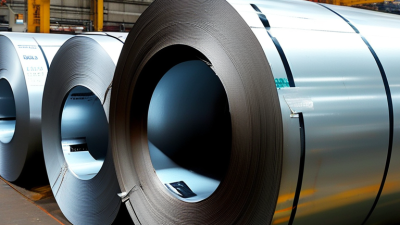
Choosing the right Hot Rolled Plate can influence structural safety, fabrication speed, and long-term project costs. The decision should begin with the plate’s intended use, not only its price or availability. A bridge component, equipment frame, storage tank, and agricultural machine may require different grades, thicknesses, and surface conditions.
Project drawings should define strength, toughness, weldability, dimensions, and applicable standards. For example, a 12-millimeter plate may appear suitable, yet its actual tolerance can affect fit-up during welding. Check the material certificate, heat number, chemical composition, and mechanical test results. Confirm that the supplier can provide consistent documentation. Reliable sourcing matters.
Look closely at the working environment. Outdoor structures may face moisture, abrasion, freezing temperatures, or repeated loading. A plate with suitable yield strength may still perform poorly if corrosion protection is ignored. Surface scale is normal after hot rolling, but deep pits, edge cracks, and excessive flatness deviations deserve careful inspection. Do not overlook them.
Fabrication experience also improves selection. Consider cutting methods, bending radius, welding procedure, and available machinery before ordering. One common mistake is choosing a thicker plate for confidence, then discovering unnecessary weight and higher processing costs. That assumption can fail. Another is trusting a familiar grade without checking the latest project requirements. Compare technical data with real operating conditions. When uncertainty remains, ask a qualified metallurgist, engineer, or experienced supplier to review the choice. The best Hot Rolled Plate is not simply the strongest option; it is the most appropriate, traceable, and workable material for the project.
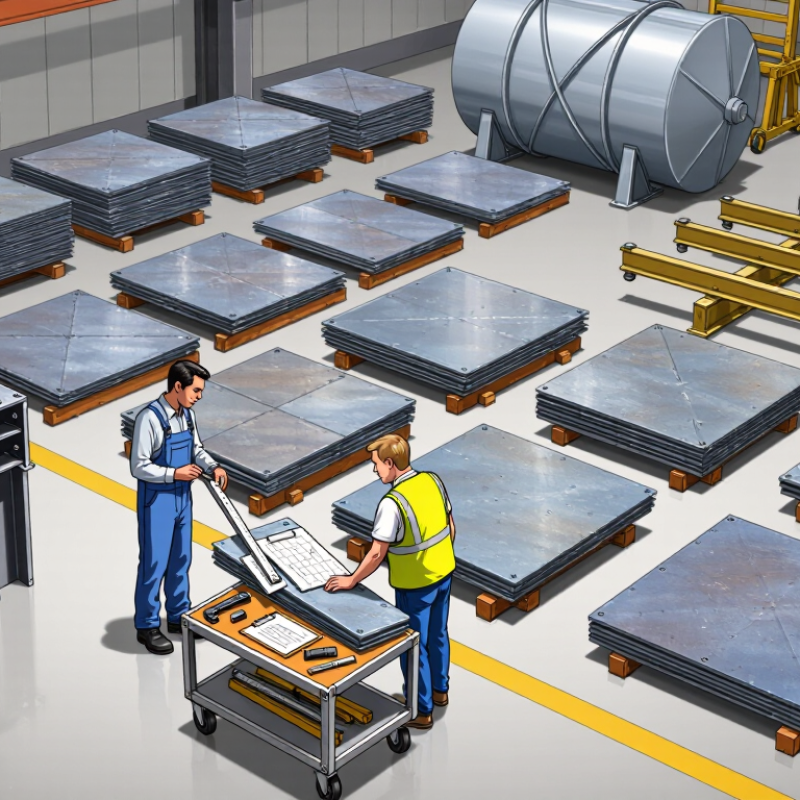
Hot rolled plate is steel shaped between rollers at temperatures above its recrystallization point. This heat makes thick sections easier to form. After cooling, the plate keeps a rough, scaled surface and slightly rounded edges. Its dimensions may vary more than cold rolled steel.
That detail matters when parts must fit closely.
Common applications include building columns, bridge components, machine bases, storage tanks, and heavy vehicle frames. It also supports agricultural equipment and industrial platforms.
Structural grades suit load-bearing frames, while pressure-related projects require specifically approved materials. A plate may look strong, yet strength alone does not confirm suitability. Weldability, impact performance, thickness, and working temperature must also match the design.
For project selection, check the required load, cutting method, bending needs, and exposure to moisture or chemicals. A thicker plate can resist bending better, but it adds weight and may increase fabrication costs.
Ask for certified chemical analysis, mechanical test results, dimensional tolerances, and heat information. These documents help verify consistency between the order and the delivered material.
Surface scale is normal, not automatically a defect. Still, it can hide pits or uneven areas, so inspection after cleaning is sensible.
I have seen specifications focus heavily on thickness while overlooking edge condition. That oversight can create extra machining work.
Rechecking the drawing before purchase is worthwhile.
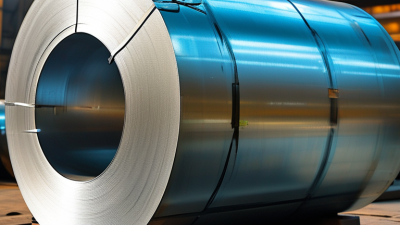
Choosing hot rolled plate starts with the load, environment, and fabrication method. Identify the required grade before comparing prices or delivery dates. Carbon steel grades suit many structural applications, while higher-strength grades may reduce weight. However, stronger is not always better. Review the project specification, welding procedure, and applicable material standard with a qualified engineer. In my experience, a familiar grade often produces safer, more predictable fabrication results.
Thickness should match design loads, corrosion allowance, forming needs, and weld access. A plate that is too thin may distort during cutting or welding. One too thick can increase weight, machining time, and unnecessary cost. Measure the actual plate, not only the nominal value. Hot rolled products can have permitted thickness tolerances. Leave room for wear or corrosion where the service environment demands it. This detail is easy to overlook.
Confirm width and length from the finished part, including kerfs, trim edges, and nesting losses. Standard sizes may lower waste, but the largest plate is not always the most efficient choice. Check crane capacity, transport limits, storage space, and cutting-table dimensions before ordering. Ask for a mill test certificate and verify grade, heat number, dimensions, and inspection results. I once treated plate size as a purchasing detail; it later affected handling and cutting plans. That was a useful mistake. Recheck the drawing before approval.
Compare the minimum specified yield strength of common hot rolled plate grades before selecting the required grade, thickness, width, and plate size.
The values shown are representative minimum yield strengths for commonly referenced grades in thinner plate ranges and are presented for preliminary material selection. Actual values can vary with plate thickness and applicable standard requirements. Confirm the grade, thickness, width, length, tolerances, and certification with the project specification before ordering.
How to Choose Hot Rolled Plate for Your Project?
Strength should match the load, not the salesperson’s promise. ASTM A36/A36M specifies a minimum yield strength of 36 ksi and tensile strength of 58–80 ksi. ASTM A572/A572M Grade 50 raises minimum yield strength to 50 ksi. That difference can reduce plate thickness, but welding details and buckling still matter. I have seen designs fail because strength was chosen without checking stiffness.
Formability depends on grade, thickness, rolling direction, and bend radius. Hot rolled plate usually carries mill scale and a less uniform surface than cold rolled sheet. EN 10163-2 provides acceptance guidance for surface imperfections, while ASTM A6/A6M controls dimensional tolerances. A rough, scaled face may be acceptable beneath paint, but it can complicate tight bends, machining, and inspection. Measure the actual plate.
Corrosion resistance needs separate attention. Ordinary carbon steel does not become corrosion-resistant through hot rolling. ISO 9223 classifies atmospheric environments from C1 to CX, helping engineers estimate exposure severity. Near saltwater, even a strong plate may corrode quickly without coating, drainage, and edge protection. A 2024 World Steel Association report recorded 1.89 billion tonnes of global crude steel production in 2023, showing the material’s scale, not its immunity. That distinction is easy to miss. Consider the first scratch.
| Material / Standard | Typical Product Position | Minimum Yield Strength | Tensile Strength | Formability | Surface Quality After Hot Rolling | Atmospheric Corrosion Resistance | Suitable Applications |
|---|---|---|---|---|---|---|---|
| ASTM A36 Structural carbon steel |
General-purpose structural plate | ≥ 250 MPa Usually specified for thinner sections; confirm thickness requirements. |
400–550 MPa | High Generally easier to form than higher-strength grades. |
Mill scale, possible light oxidation, and normal hot-rolled dimensional variation. Not intended as a decorative finish. | Low Requires paint, coating, galvanizing, or another corrosion-control system in most exposed environments. |
Frames, base plates, brackets, platforms, supports, and general fabrication. |
| EN 10025-2 S275JR Non-alloy structural steel |
General structural plate with European designation | ≥ 275 MPa Yield strength decreases with increasing product thickness. |
410–560 MPa | Medium-high Suitable for common bending and fabrication operations when proper radii are used. |
Typical hot-rolled scale and surface imperfections permitted by the applicable product standard. | Low Needs a suitable coating or maintenance plan for outdoor exposure. |
Building structures, machinery frames, platforms, supports, and welded fabrications. |
| EN 10025-2 S355JR Higher-strength structural steel |
Strength-focused structural plate | ≥ 355 MPa Value is thickness-dependent and must be checked against the purchase specification. |
470–630 MPa | Medium Higher strength generally requires greater forming force and larger bend radii than S275JR. |
Hot-rolled mill scale is normal; surface condition should be agreed when machining, painting, or ultrasonic testing is important. | Low Higher strength does not provide inherent atmospheric corrosion protection. |
Heavy frames, cranes, bridges, transport equipment, and load-bearing welded structures. |
| ASTM A572 Grade 50 HSLA structural steel |
Higher-strength, weight-saving structural plate | ≥ 345 MPa | ≥ 450 MPa | Medium Can be formed, but springback and tooling loads may be higher than for A36. |
Conventional hot-rolled surface with mill scale; surface finish is not equivalent to cold-rolled sheet. | Low Use a protective coating system where moisture, salts, or chemicals are present. |
Truck frames, structural members, equipment, bridges, and projects where reduced plate weight is valuable. |
| ASTM A588 Atmospheric-corrosion-resistant weathering steel |
Outdoor structural plate designed to develop a protective patina | ≥ 345 MPa | Typically ≥ 485 MPa Requirements vary by product form and thickness. |
Medium-low Forming is possible, but alloying and higher strength require controlled procedures. |
Mill scale is common initially; the exposed surface gradually develops a weathered oxide layer. | Moderate to high in suitable conditions Performs best with wet-and-dry cycles and free drainage; not ideal for continuously wet, marine, or chloride-trapping locations without engineering review. |
Bridges, façades, sculptures, rail infrastructure, and exposed structures where a protective patina is acceptable. |
Manufacturing standards should match the plate’s final use, not merely its price. Structural frames may require ASTM or EN specifications with defined chemistry and mechanical properties. Check the exact grade, standard edition, and delivery condition on the quotation. A familiar grade name can still hide important differences.
Tolerances deserve equal attention. Confirm thickness, width, length, flatness, and edge condition before cutting begins. A plate listed as 12 mm may arrive with an allowed variation under the applicable standard. That variation can affect welding gaps, machining allowances, and total weight. Measure sample plates with calibrated tools, especially when assemblies require tight alignment. Small deviations become expensive later.
Quality certifications add useful evidence, but they need careful review. Request a mill test certificate showing heat number, chemical analysis, tensile results, and impact testing when required. Match that heat number to the plate markings and shipping documents. ISO 9001 certification indicates a quality management system, not automatic compliance with every product requirement. Third-party inspection can strengthen confidence for critical work. Still, paperwork is not physical verification. A certificate may look complete while a tolerance was overlooked. Review the inspection plan with the fabricator before production, and record any uncertainty instead of assuming it away.
How to Choose Hot Rolled Plate for Your Project?
Select a Reliable Supplier and Confirm Delivery Requirements
Choosing hot rolled plate starts with a clear project brief. Define thickness, width, length, grade, and surface expectations. Confirm whether the plate will be welded, machined, formed, or used for structural support. These details guide the supplier’s recommendation and prevent costly substitutions.
A reliable supplier should provide traceable material records, current test certificates, and clear inspection procedures. Ask how the plates are produced, measured, packed, and protected during transport. In practical project reviews, small errors often begin with unclear tolerances. Check thickness variation, flatness, edge condition, and marking requirements before placing an order. Do not rely on verbal promises alone. Request written specifications.
Delivery planning deserves equal attention. Confirm the production lead time, loading date, transport method, and final delivery location. Ask whether the quoted schedule includes inspection and export documentation. Verify packaging details, especially for long-distance transport or outdoor storage. Plates should arrive with labels that match the purchase order. They also need protection from unnecessary moisture and handling damage.
Be specific.
I once underestimated unloading space on a busy site. The steel arrived, but the handling plan was poor. That mistake delayed installation. A better approach is to share site access limits, crane capacity, receiving hours, and preferred delivery windows early. Reconfirm these points before dispatch. A dependable supplier will answer directly, identify risks, and admit uncertainty when a date is not guaranteed.