What is Stainless Steel Plate and Why You Should Buy It?
Stainless Steel Plate is a versatile product with numerous applications. This material is durable and resistant to corrosion, making it ideal for various industries. From construction to kitchen equipment, its uses are widespread. Choosing the right Stainless Steel Plate can impact the longevity of your products.
When purchasing a Stainless Steel Plate, quality is paramount. Not all products are created equal. It's crucial to source from reputable suppliers to ensure you receive a reliable material. Many factors can influence the selection, such as thickness and grade. These details matter significantly.
While Stainless Steel Plates offer great benefits, they come with challenges. Understanding their properties can be complex. Misunderstandings can lead to subpar purchases. Therefore, educating yourself about Stainless Steel Plate is essential for making informed decisions.
What is Stainless Steel Plate?
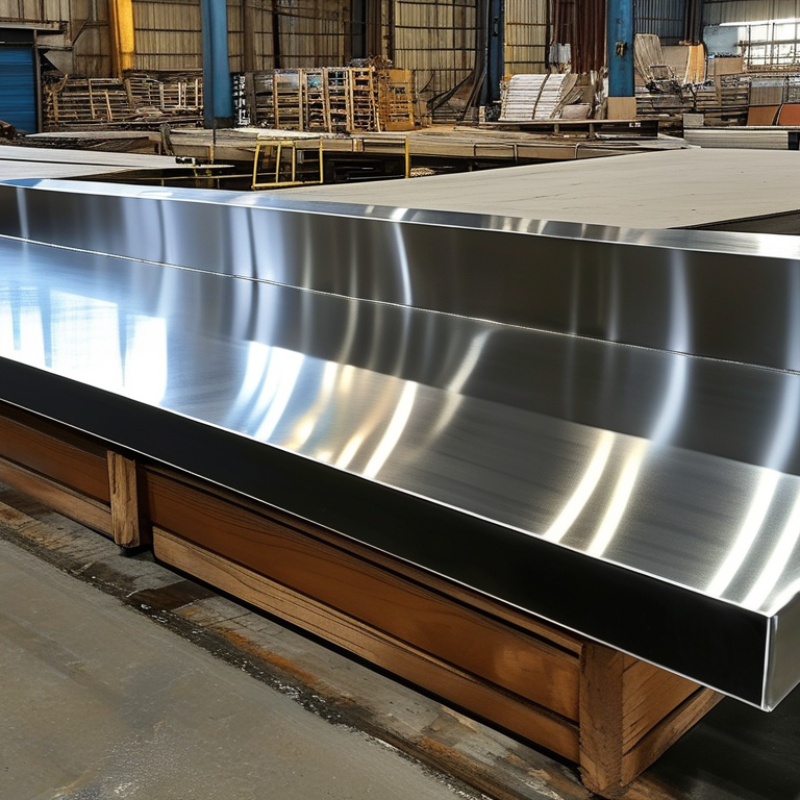
Stainless steel plate is a versatile material known for its durability and resistance to corrosion. It is made from an iron alloy that contains chromium, which forms a protective layer on the surface. This layer prevents rust and enhances longevity, making it ideal for various applications. You can find stainless steel plates in industries like construction, automotive, and kitchenware. Their strength can support heavy loads, making them reliable for structural uses.
The aesthetic appeal of stainless steel is undeniable. It offers a sleek, modern look that complements both residential and commercial designs. However, not all stainless steel plates are equal. Different grades serve distinct purposes. For instance, 304 stainless steel is popular for kitchen environments due to its excellent resistance to food-related corrosive elements. On the other hand, 316 stainless steel is often used in marine applications because of its superior resistance to saltwater. Choosing the right grade demands careful consideration of the specific environment and use.
While stainless steel plates are dependable, they can be costly compared to other materials. The price often reflects the quality and longevity you get in return. When buying, be mindful of certification and source. Trustworthy suppliers generally provide necessary documentation. However, some options may not meet required standards, leading to potential issues. Therefore, conduct thorough research to ensure you make a wise investment.
Stainless Steel Plate Demand by Industry
Composition and Properties of Stainless Steel Plates
Stainless steel plates are known for their durability and versatility. Their composition typically includes iron, chromium, and nickel. The chromium content generally exceeds 10.5%. This addition provides corrosion resistance, making stainless steel popular in harsh environments. The nickel enhances its toughness and resistance to various chemicals.
The properties of stainless steel plates vary with their grade. For instance, 304 stainless steel is commonly used in food processing. It resists corrosion and is easy to clean. In contrast, 316 stainless steel offers enhanced resistance to saltwater. This makes it ideal for marine applications. However, the higher alloy content can lead to increased costs.
Not every stainless steel plate is the same. The manufacturing process can affect the quality. Poorly made plates might have weak points or imperfections. Choosing a reliable supplier is essential. Each application demands specific properties, and not all plates meet those standards. Knowing the right type for your project is crucial.
Common Applications of Stainless Steel Plates
Stainless steel plates are widely used in various industries due to their durability and corrosion resistance. Common applications include the construction and automotive sectors. In buildings, stainless steel plates provide structural support and aesthetic appeal. Their strength ensures safety and longevity, crucial for any construction project.
In the food industry, stainless steel plates are essential. They maintain hygiene standards and withstand harsh cleaning chemicals. You'll find them in kitchens, storage areas, and processing plants. Their non-reactive surface protects food quality. However, maintaining the shiny surface can be challenging.
Another key application is in marine environments. Boats and ships use stainless steel plates for their strength against saltwater. This reduces rust and extends the vessel's life. Yet, choosing the right grade of stainless steel requires careful consideration. Not every grade works equally well in every environment. So, it's vital to consult with professionals to ensure the best choice.
Benefits of Using Stainless Steel Plates in Various Industries
Stainless steel plates are vital in various industries due to their unique properties. They offer excellent corrosion resistance, which is crucial in environments exposed to moisture and chemicals. The global stainless steel market was valued at approximately $126 billion in 2022, signaling robust demand across sectors like construction, automotive, and oil and gas. Industries need materials that can withstand harsh conditions. Here, stainless steel plates excel.
In the food processing industry, sanitary standards are paramount. Stainless steel plates provide a non-reactive surface for food safety. According to a report by the International Food Safety Association, over 60% of foodborne illnesses are linked to improper material use in food preparation. Using stainless steel significantly reduces contamination risks. Additionally, their durability leads to lower maintenance costs over time.
While stainless steel plates are beneficial, they come with challenges. High procurement costs can deter small manufacturers. Proper welding techniques are necessary to maintain their integrity. An estimated 30% of stainless steel welds fail when not handled correctly. This highlights the need for skilled labor and training. Choosing the right material is crucial for achieving safety and efficiency in production.
Factors to Consider When Buying Stainless Steel Plates
When considering the purchase of stainless steel plates, several factors demand attention. The thickness of the plate significantly affects its strength and application. Thicker plates are ideal for heavy-duty construction projects, while thinner ones suit light applications. Assessing the specific needs of your project will help guide your choice.
Corrosion resistance is another vital factor. Different grades of stainless steel offer varying levels of resistance to rust and wear. Some environments may demand higher resistance due to exposure to chemicals or moisture. Understanding the environment is crucial for maximizing durability.
Cost is always a consideration. While cheaper plates might save money upfront, they could lead to higher maintenance costs in the long run. It's essential to evaluate the total cost of ownership. Also, consider the supplier’s reliability. A trusted source ensures quality and service, contributing to a successful project outcome. Take these factors into account, and make an informed decision that meets your specific requirements.