Top 10 Tips for Using Galvanized Plates in Construction and DIY Projects
When embarking on construction and DIY projects, the choice of materials can significantly influence the durability and success of the endeavor. Among the various options available, the use of galvanized plates has gained popularity due to their exceptional versatility and corrosion resistance. These plates are made from steel that has been coated with a layer of zinc, providing an effective barrier against rust and degradation. As a result, galvanized plates are ideal for a wide range of applications, from structural supports to decorative elements.
In this article, we will explore the top ten tips for effectively utilizing galvanized plates in your projects. Whether you are a seasoned contractor or an enthusiastic DIYer, understanding how to work with these materials can enhance the quality of your work and prolong the lifespan of your constructions. From choosing the right thickness and size to mastering cutting and fastening techniques, these insights will ensure that you achieve both functionality and aesthetic appeal in your builds. Join us as we delve into the practical considerations and expert recommendations for maximizing the potential of galvanized plates in your next project.

Understanding Galvanized Plates: Benefits and Applications in Construction
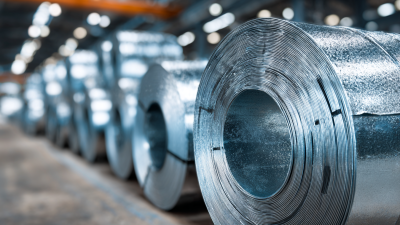
Galvanized plates are a popular choice in construction and DIY projects due to their numerous benefits and versatile applications. Made from steel that has been coated with a layer of zinc, these plates are highly resistant to corrosion, which makes them ideal for outdoor and high-moisture environments. Their durability not only extends the lifespan of structures but also reduces maintenance costs, resulting in a cost-effective solution for builders and DIY enthusiasts alike.
When incorporating galvanized plates into your projects, consider these tips to maximize their effectiveness. First, ensure proper surface preparation before installation, as clean surfaces promote better adhesion and overall performance. Second, remember that galvanized plates can be cut and shaped to fit specific needs; using the right tools will yield smoother edges and reduce the risk of exposing raw metal, which can lead to corrosion over time. Lastly, familiarize yourself with the various finishes available, as some coatings offer additional protective properties and aesthetic appeal, allowing for both functional and visually pleasing outcomes.
In addition to construction, galvanized plates find applications in a wide range of DIY projects, including furniture design, shelving, and even artwork. Their strength and resilience make them suitable for projects that require stability and support, while their unique appearance can enhance the visual interest in custom creations. By understanding the benefits and following some key tips, you can confidently utilize galvanized plates in various applications, ensuring they serve your needs effectively.
Selecting the Right Type of Galvanized Plate for Your Project Needs
When embarking on a construction or DIY project, selecting the right type of galvanized plate is crucial for ensuring durability and performance. Galvanized plates come in various thicknesses, finishes, and grades, which can significantly affect their applicability to your specific needs. It’s essential to assess the environment in which the plate will be used, as exposure to moisture and chemicals can impact corrosion resistance. Generally, plates with thicker gauges tend to offer enhanced strength and longevity, making them preferable for structural applications.
One helpful tip is to evaluate the coating type of the galvanized plate. For projects exposed to extreme weather conditions, opting for hot-dip galvanized plates is advisable as they provide a thicker and more resilient coating compared to electro-galvanized options. Additionally, consider the project’s aesthetic requirements. Some galvanized plates have a shiny finish, while others have a more matte look. Depending on your design vision, selecting the right finish can enhance the overall appearance of your project.
It is also wise to consider the availability of pre-drilled or custom-cut galvanized plates to save time during assembly. If your project requires specific dimensions, investing in custom fabrication may be more efficient and provide a better fit for your needs. Prioritize sourcing from reputable suppliers to ensure that the galvanized plates meet the necessary quality and safety standards, setting a solid foundation for your construction endeavors.
Essential Tools and Materials for Using Galvanized Plates Effectively
When working with galvanized plates in construction and DIY projects,
having the right tools and materials is crucial for achieving optimal results.
Start with essential tools such as a high-quality metal saw or shears capable of cutting through
galvanized steel effectively.
A drilling machine equipped with metal drill bits is also necessary for creating precise holes,
allowing for easy installation and secure fastening. Additionally, a set of measuring tools,
such as calipers or tape measures, ensures accuracy in your cuts and placements,
which is vital for structural integrity.
In terms of materials, selecting appropriate fasteners is essential, as they should be
compatible with galvanized plates to prevent corrosion.
Stainless steel screws or bolts are often recommended
due to their resistance to rust and ability to provide strong connections. Protective gear,
such as gloves and safety glasses, should not be overlooked, as working with metal can pose hazards.
Lastly, having a reliable workbench or surface specifically designed for metalwork will help keep
everything organized and ensure safety during your projects.
By equipping yourself with these tools and materials, you can effectively utilize
galvanized plates in various applications,
enhancing both the durability and aesthetic appeal of your constructions.
Step-by-Step Guide to Installing Galvanized Plates in DIY Projects
When tackling DIY projects that involve the use of galvanized plates, it's essential to follow a systematic approach for successful installation. Start by gathering all necessary materials, which include the galvanized plates, a measuring tape, a level, screws or bolts, and a power drill. Begin by determining the placement of the plates on your project, ensuring they are aligned properly for both strength and aesthetic appeal. Accurate measurement is crucial; using a measuring tape will help you mark the positions where the plates will be mounted.
Once the plates are positioned, use a level to check their alignment before securing them in place. For drilling, pre-drill holes in the plates to prevent splitting and make fastening easier. If you’re using screws, ensure they are suitable for galvanized materials to prevent corrosion. After securing the plates, double-check their stability and make any necessary adjustments. Proper installation not only enhances the durability of your project but also contributes to a polished finish, making your DIY endeavor successful and satisfying.
Maintenance Tips for Longevity of Galvanized Plates in Construction Use
Maintaining galvanized plates in construction and DIY projects is crucial for ensuring their longevity and functionality. One of the key strategies for preserving galvanized plates is to keep them clean and free from debris. Regularly inspecting the plates for any signs of dirt, grease, or corrosion allows for timely cleaning. Using a mild detergent and soft brush can effectively remove contaminants without damaging the galvanized coating. Avoid abrasive materials that may scratch the surface, as this can lead to accelerated rusting.
Another important aspect of maintenance is controlling the environment where galvanized plates are used. High humidity and exposure to salty air can significantly shorten their lifespan. Whenever possible, use galvanized plates in areas that are sheltered from these elements. Additionally, applying a protective topcoat can provide an extra layer of defense against corrosion. This is especially beneficial in environments with severe weather conditions or heavy moisture. By following these maintenance tips, the performance of galvanized plates in construction applications can be enhanced, ensuring they serve their intended purpose over the long term.
Top 10 Maintenance Tips for Longevity of Galvanized Plates in Construction